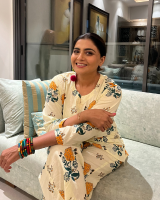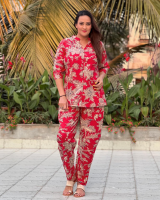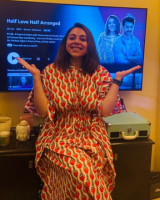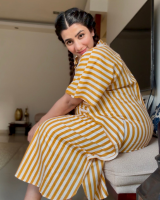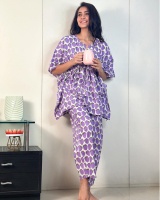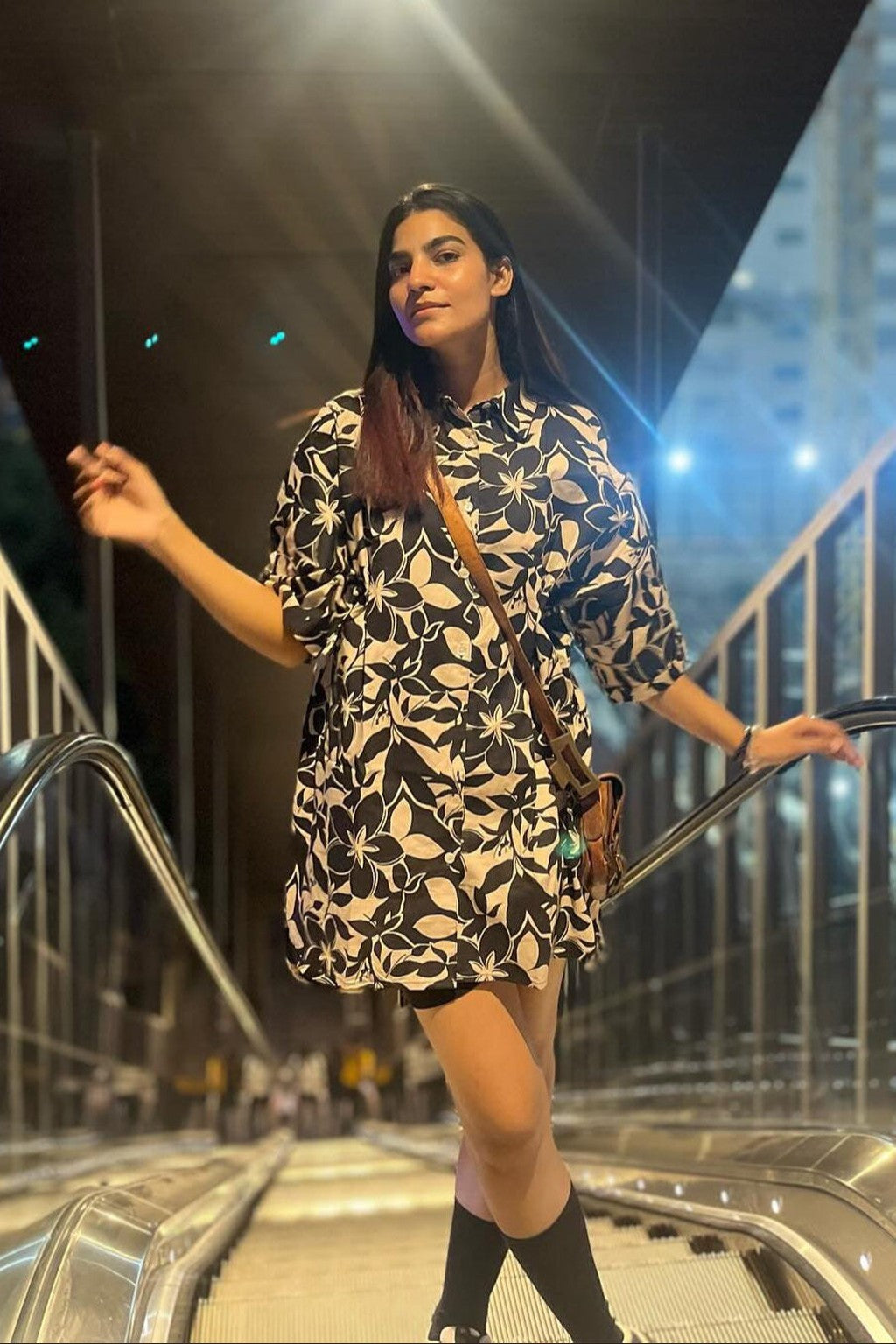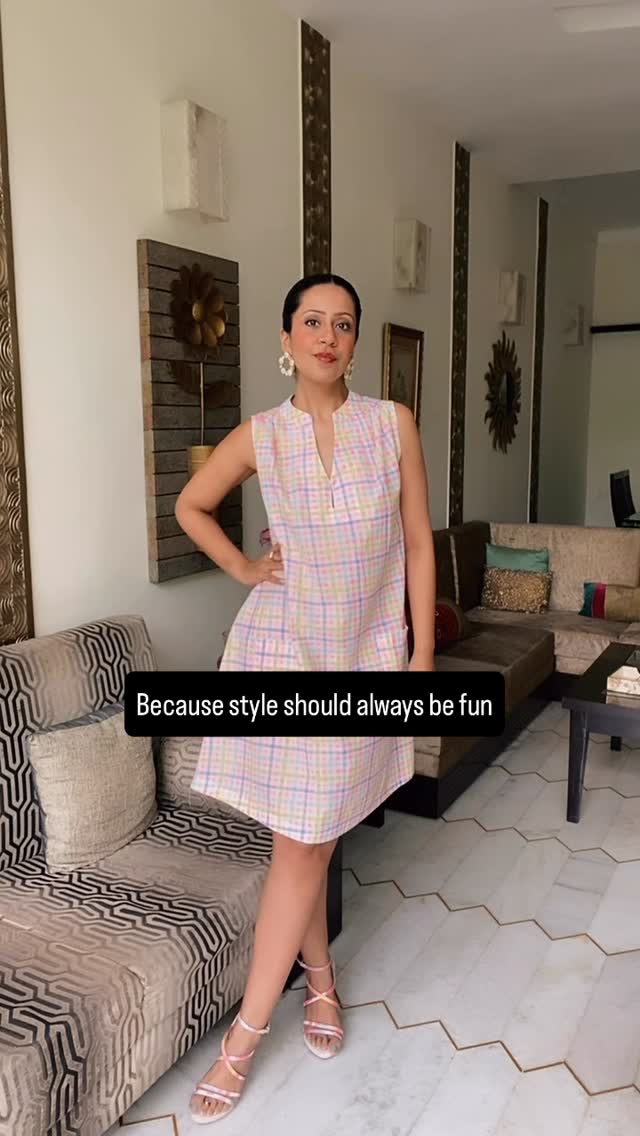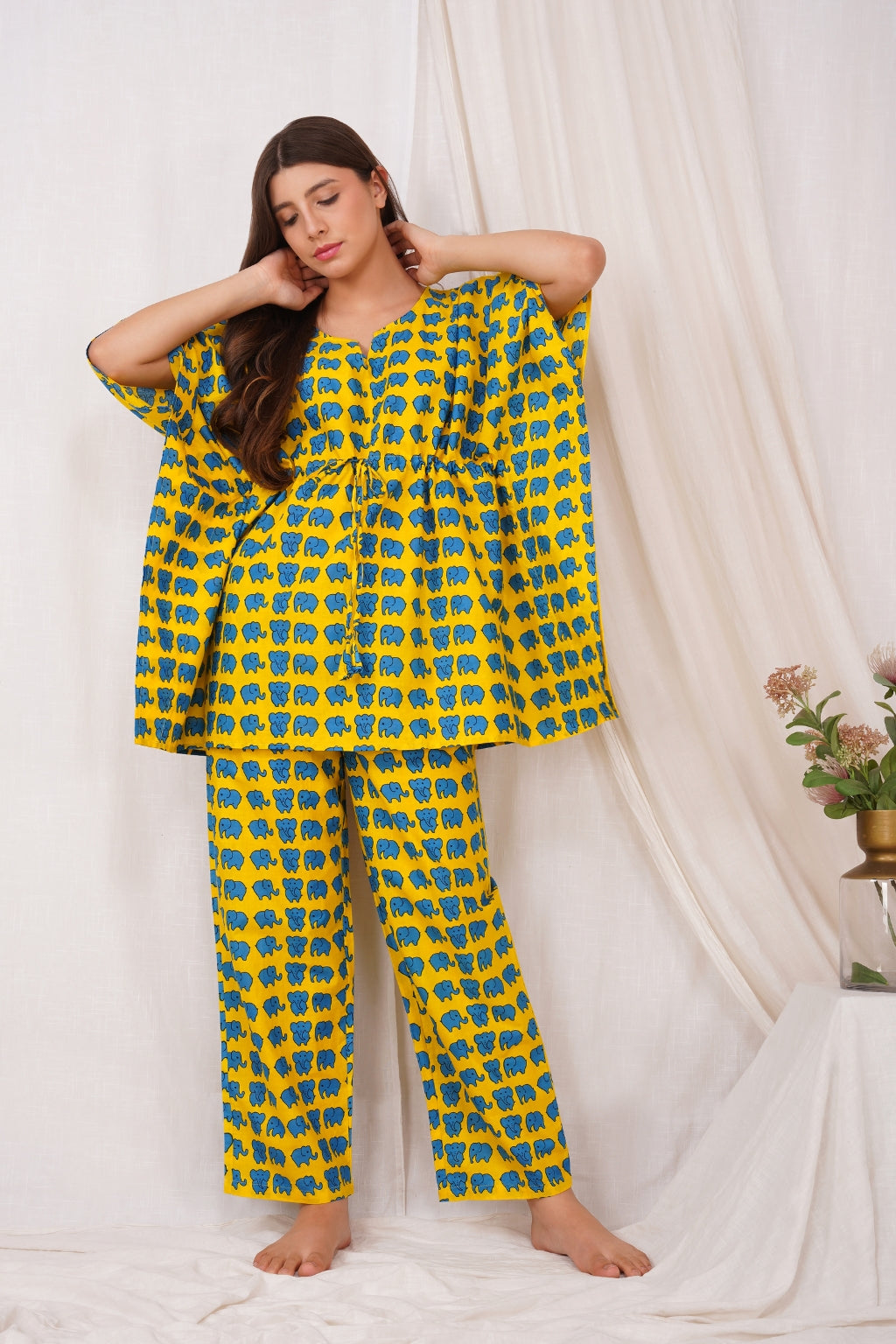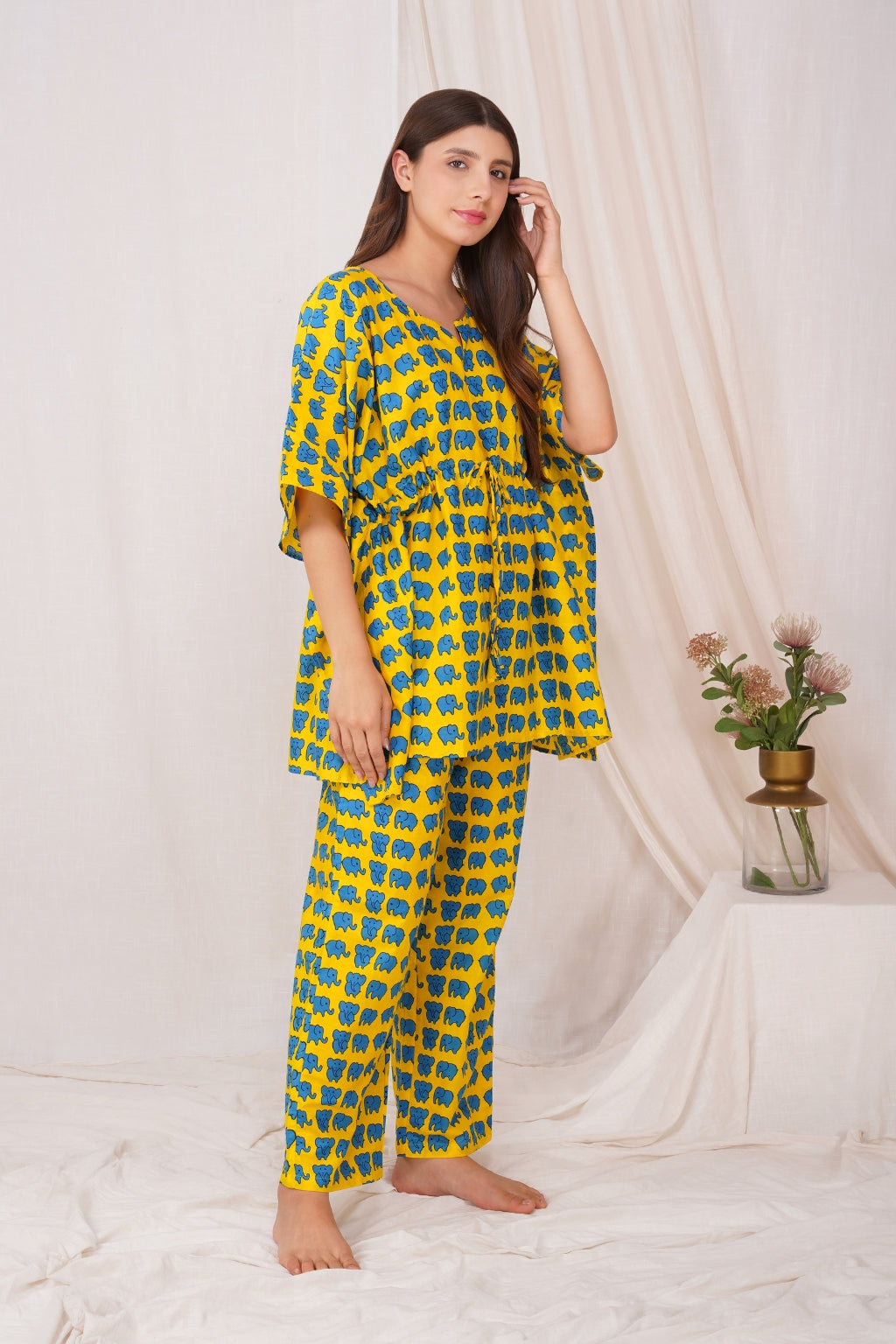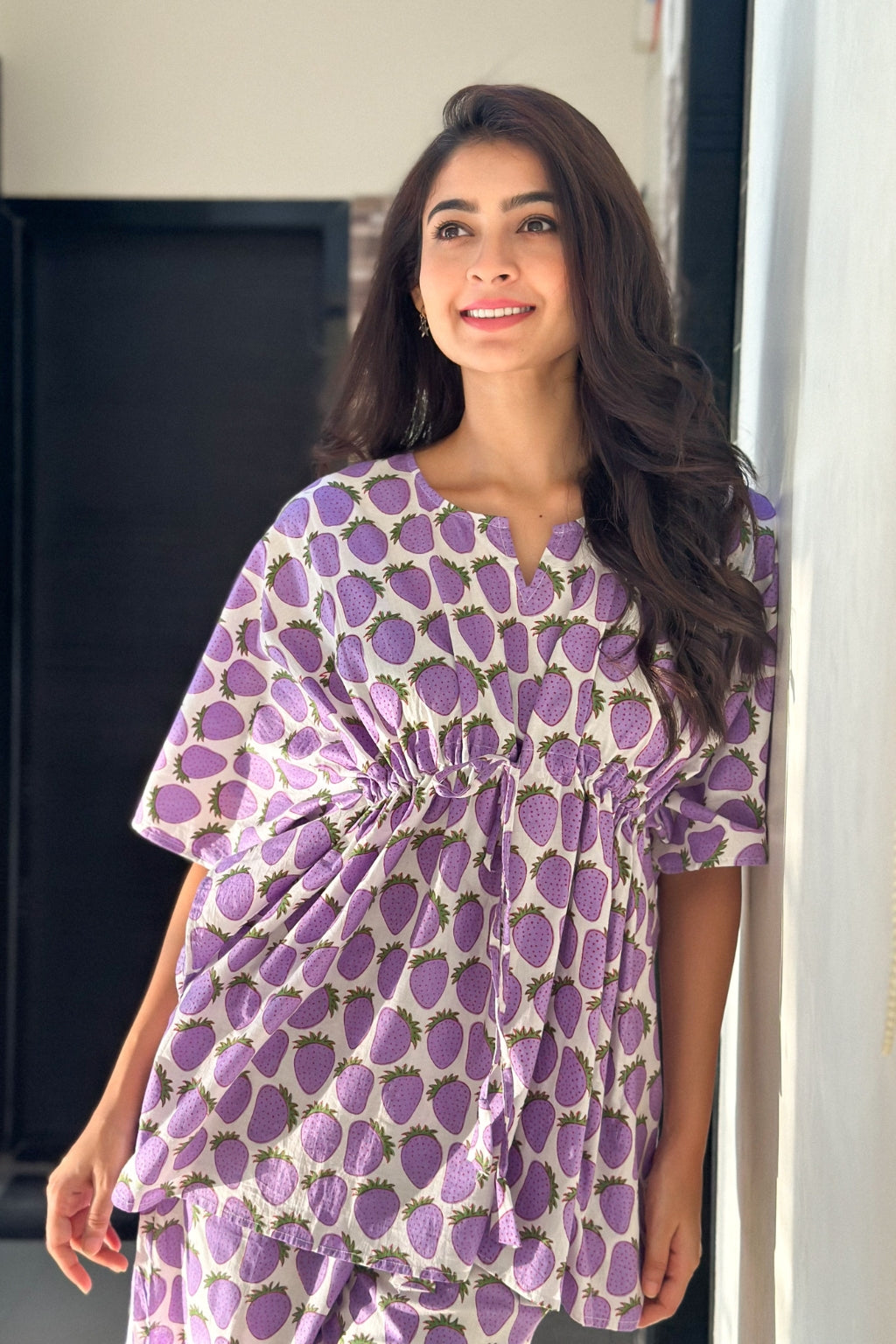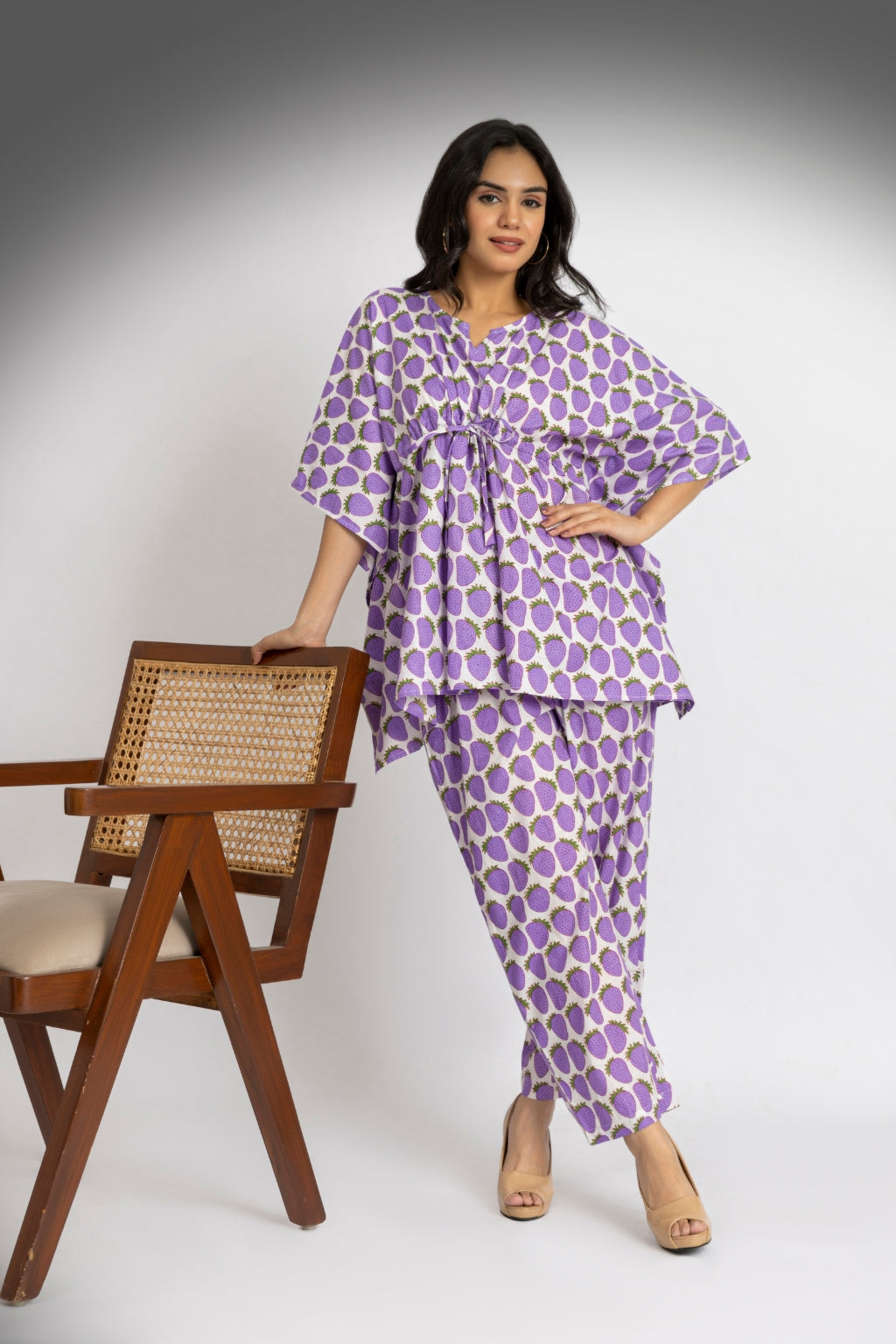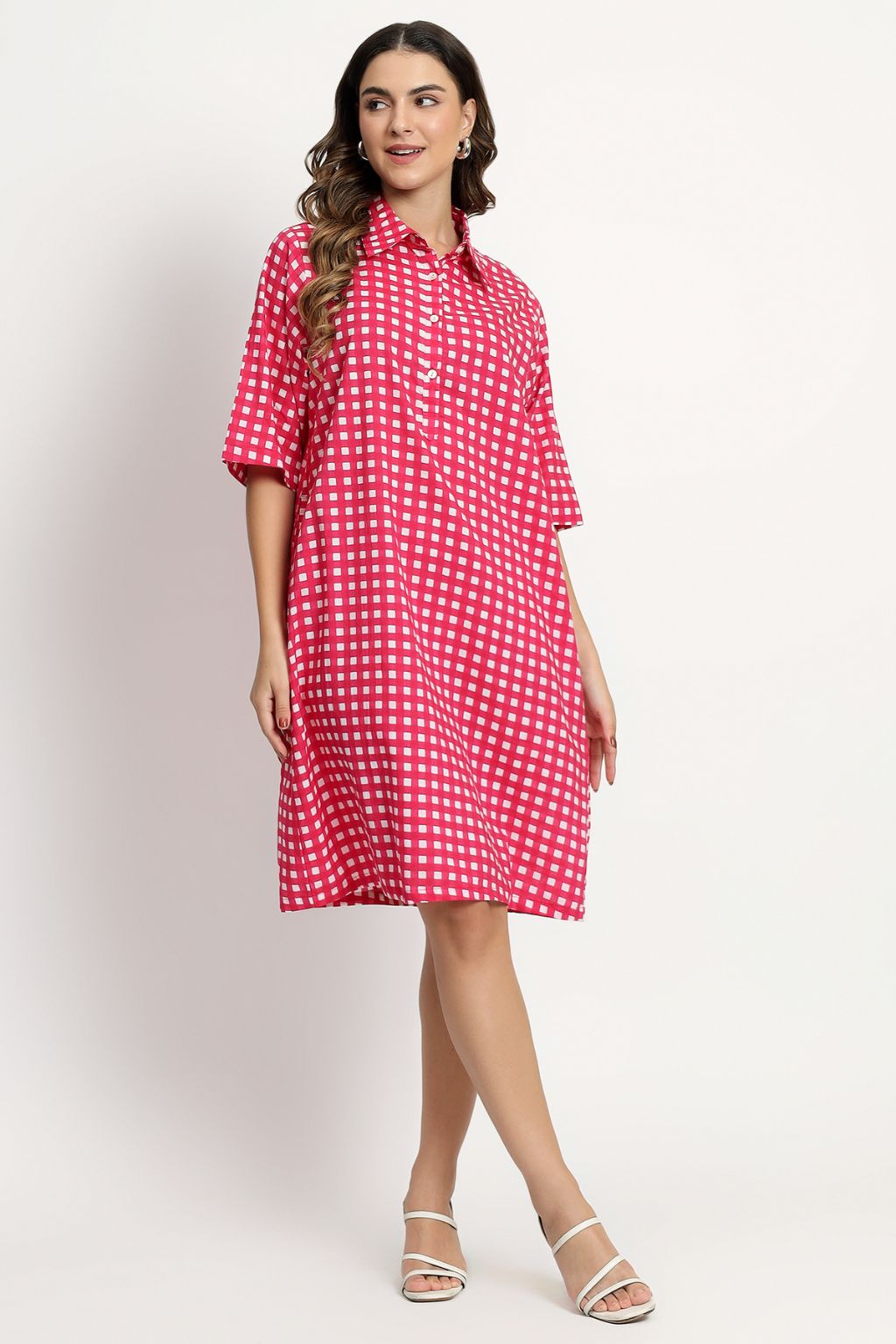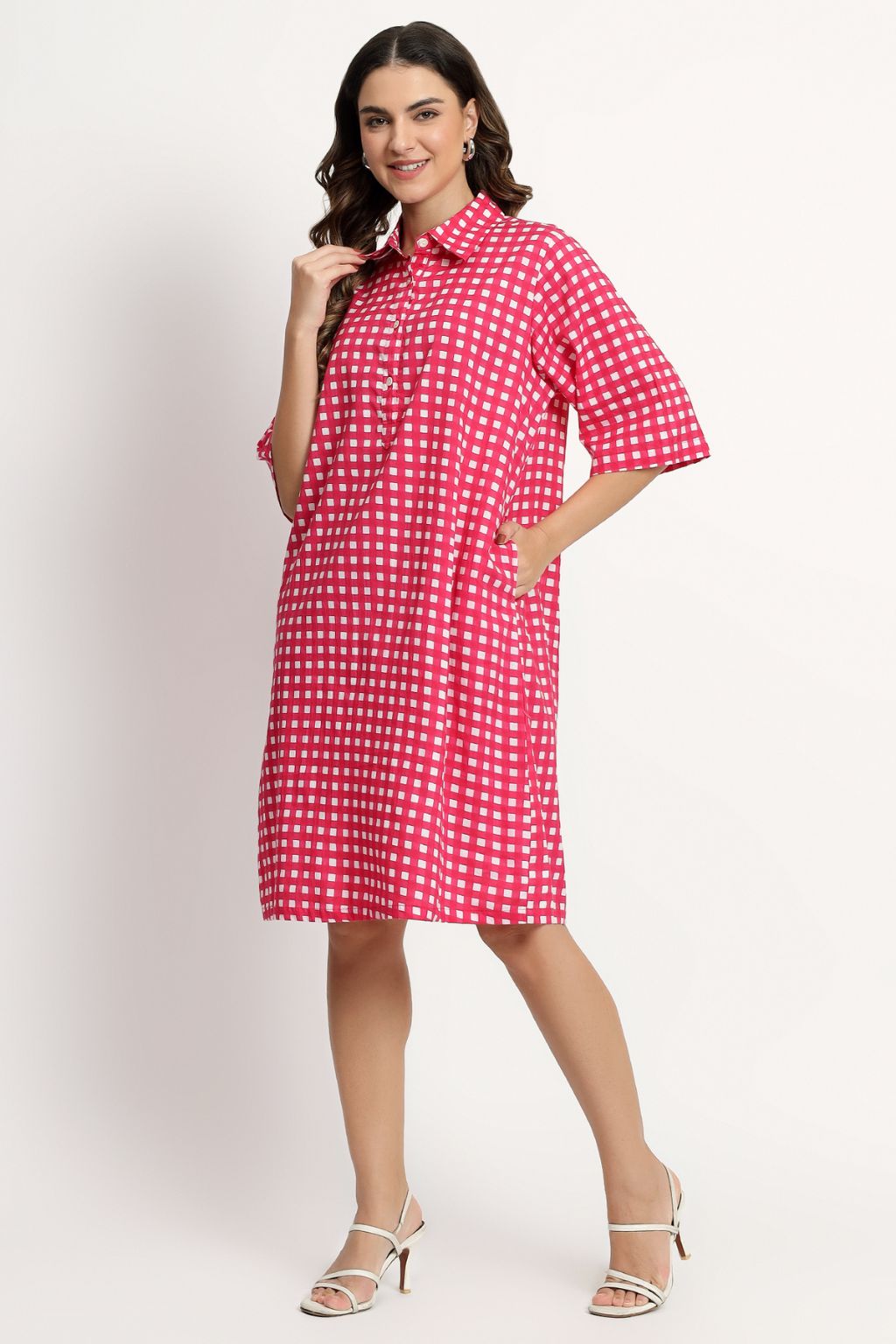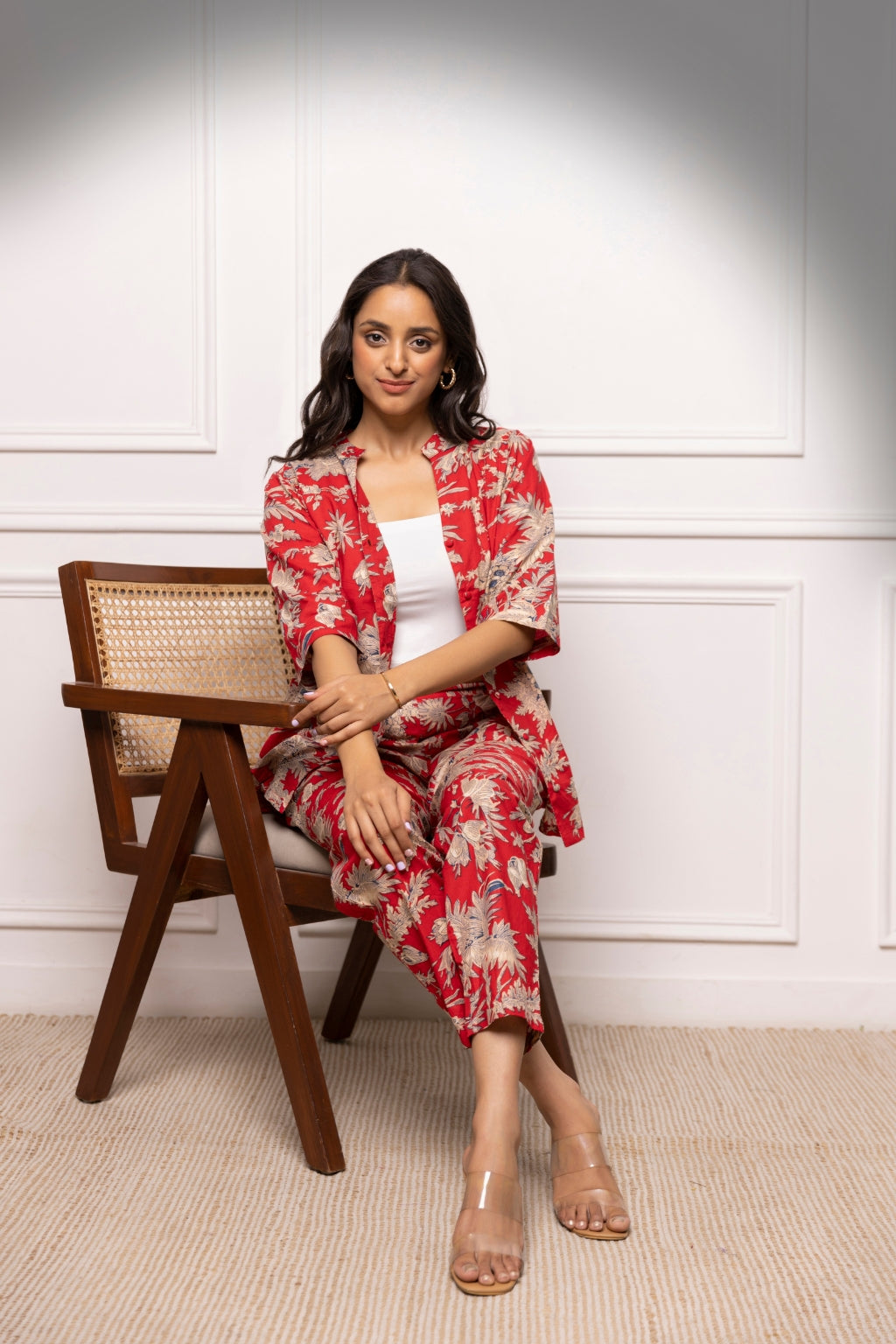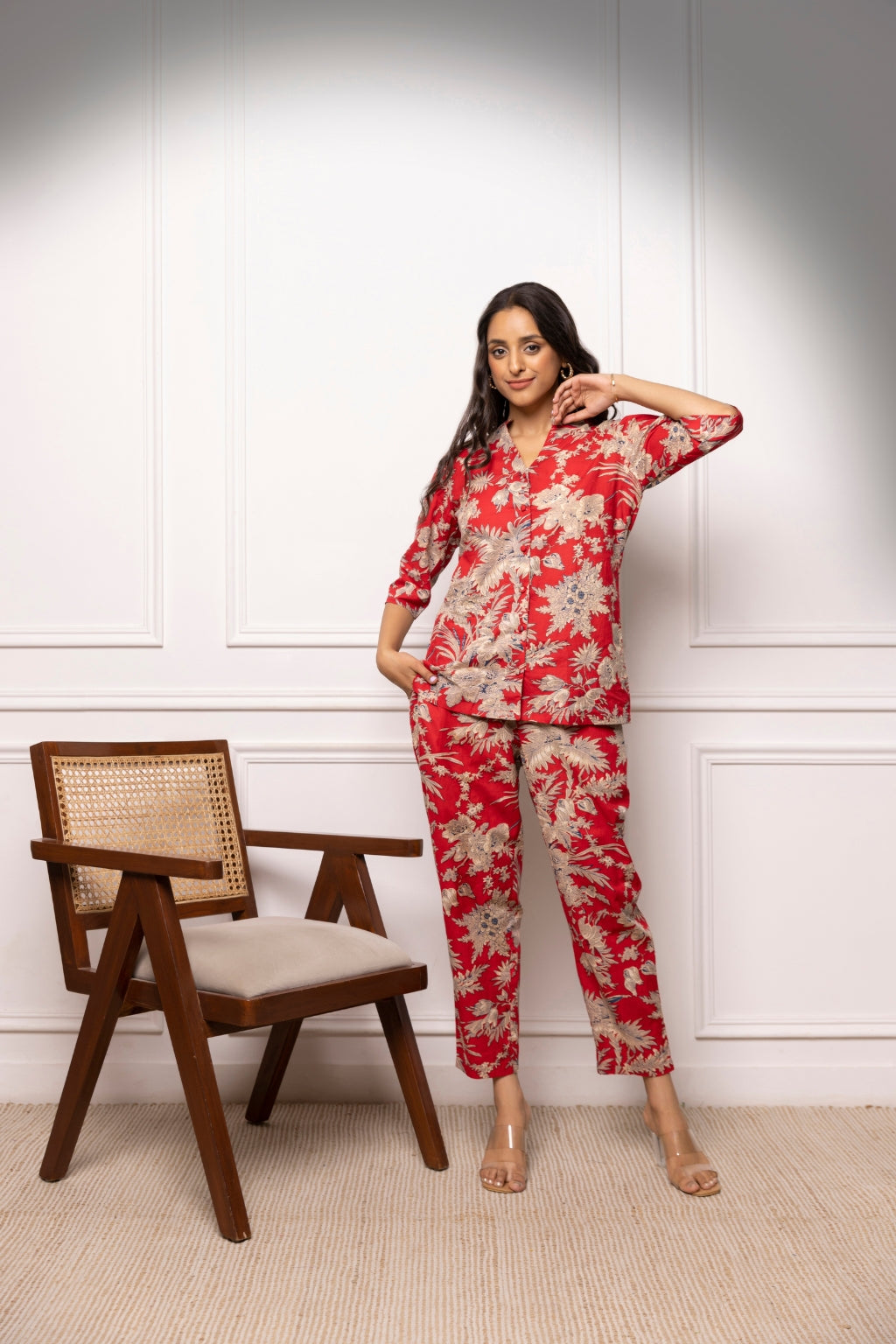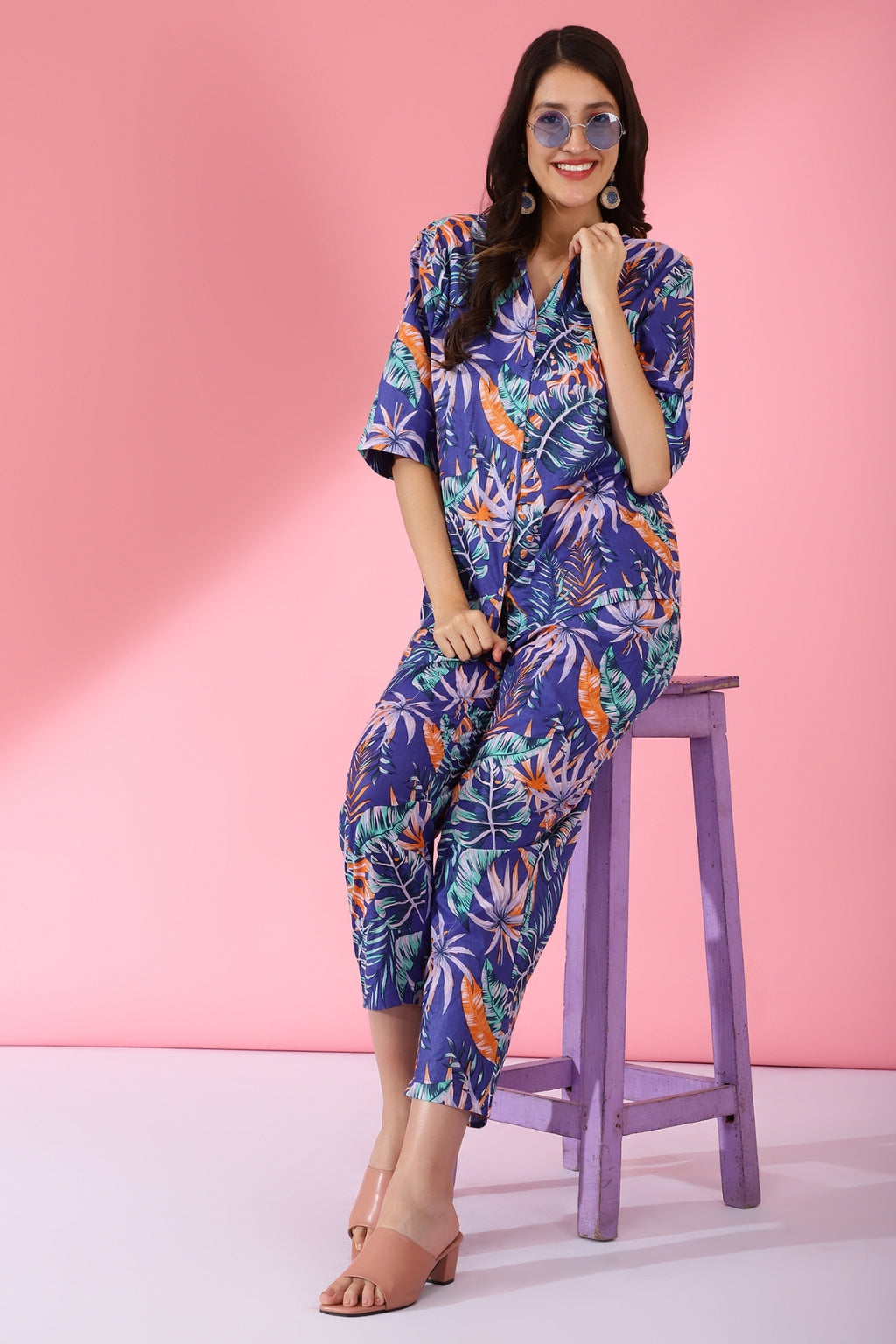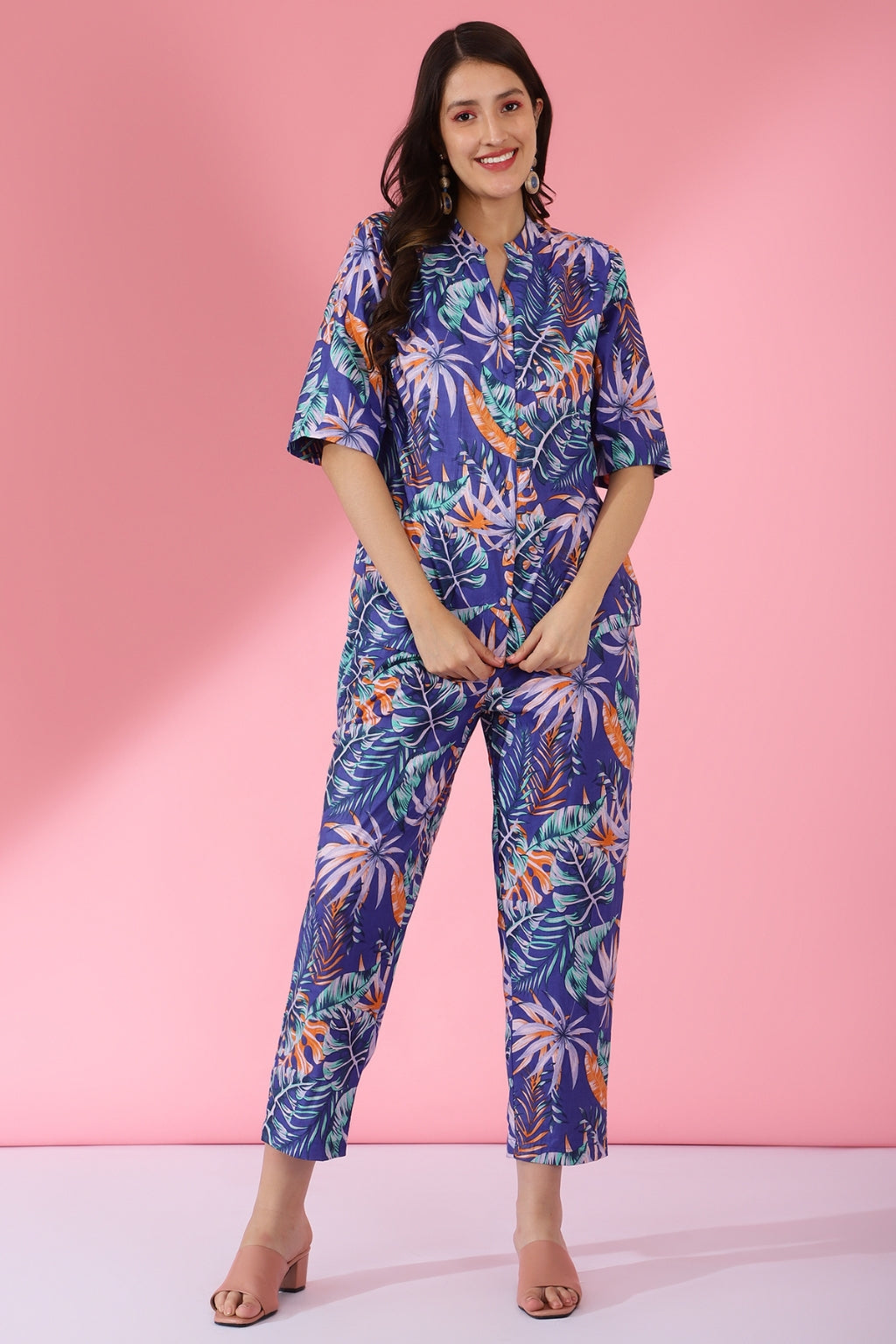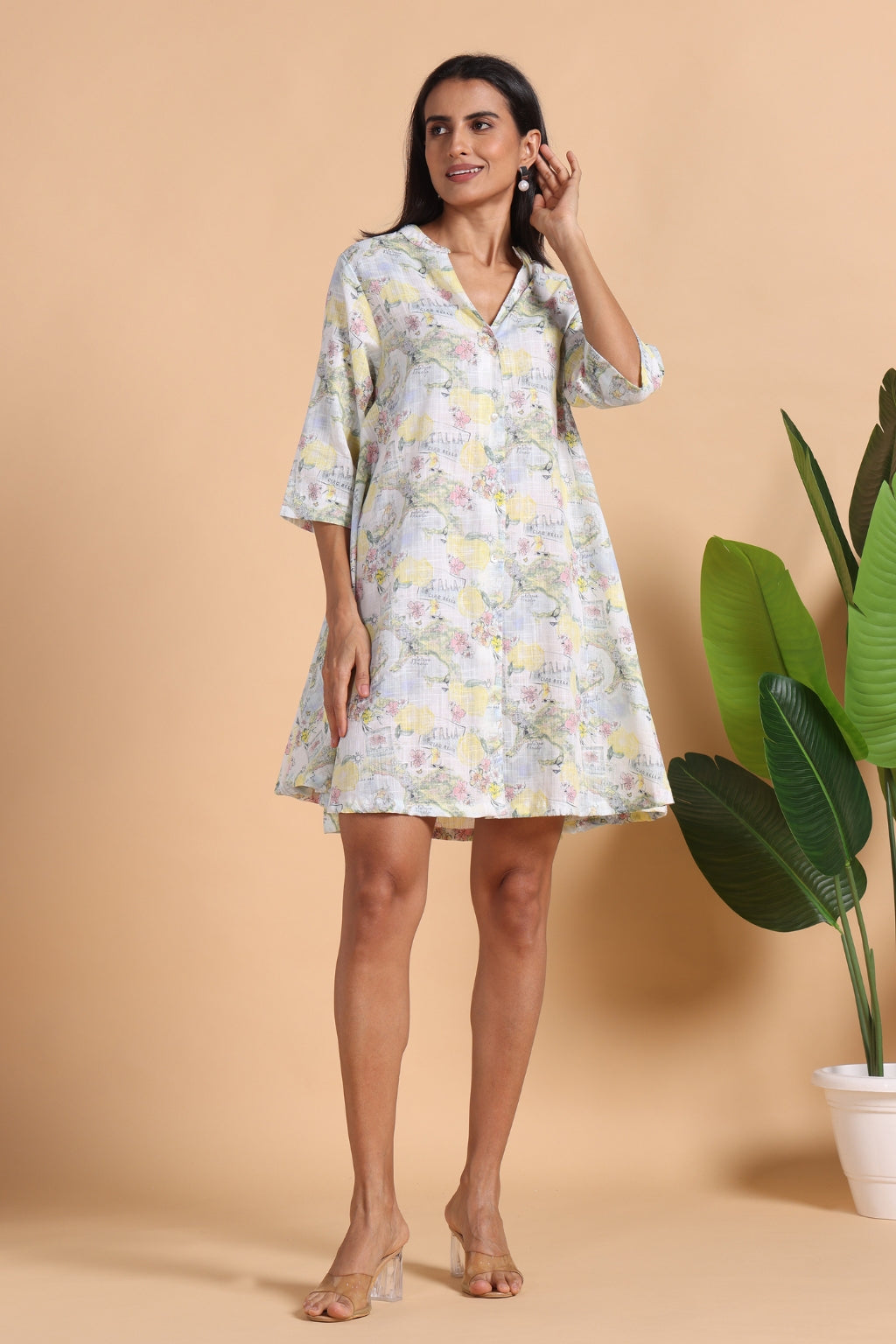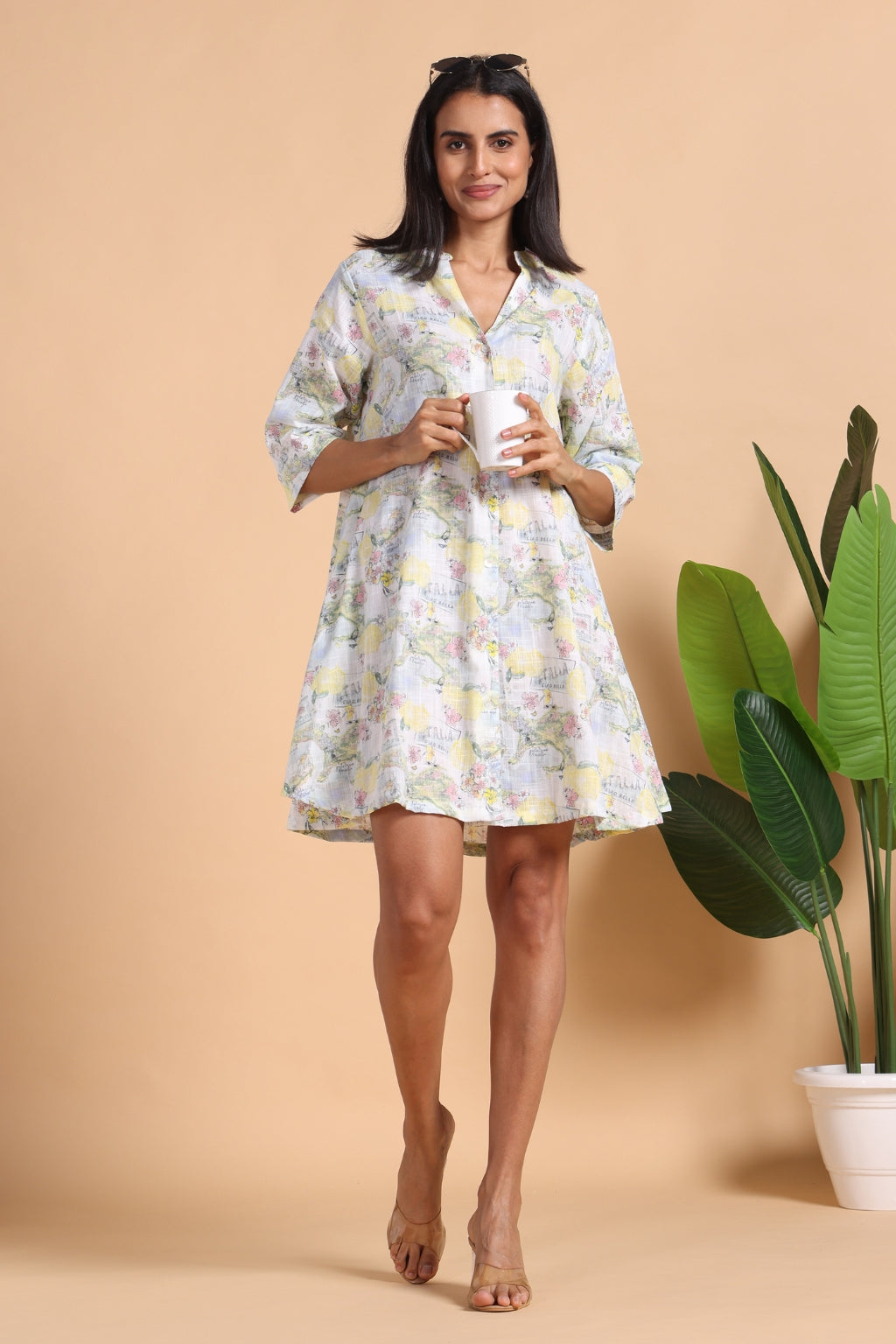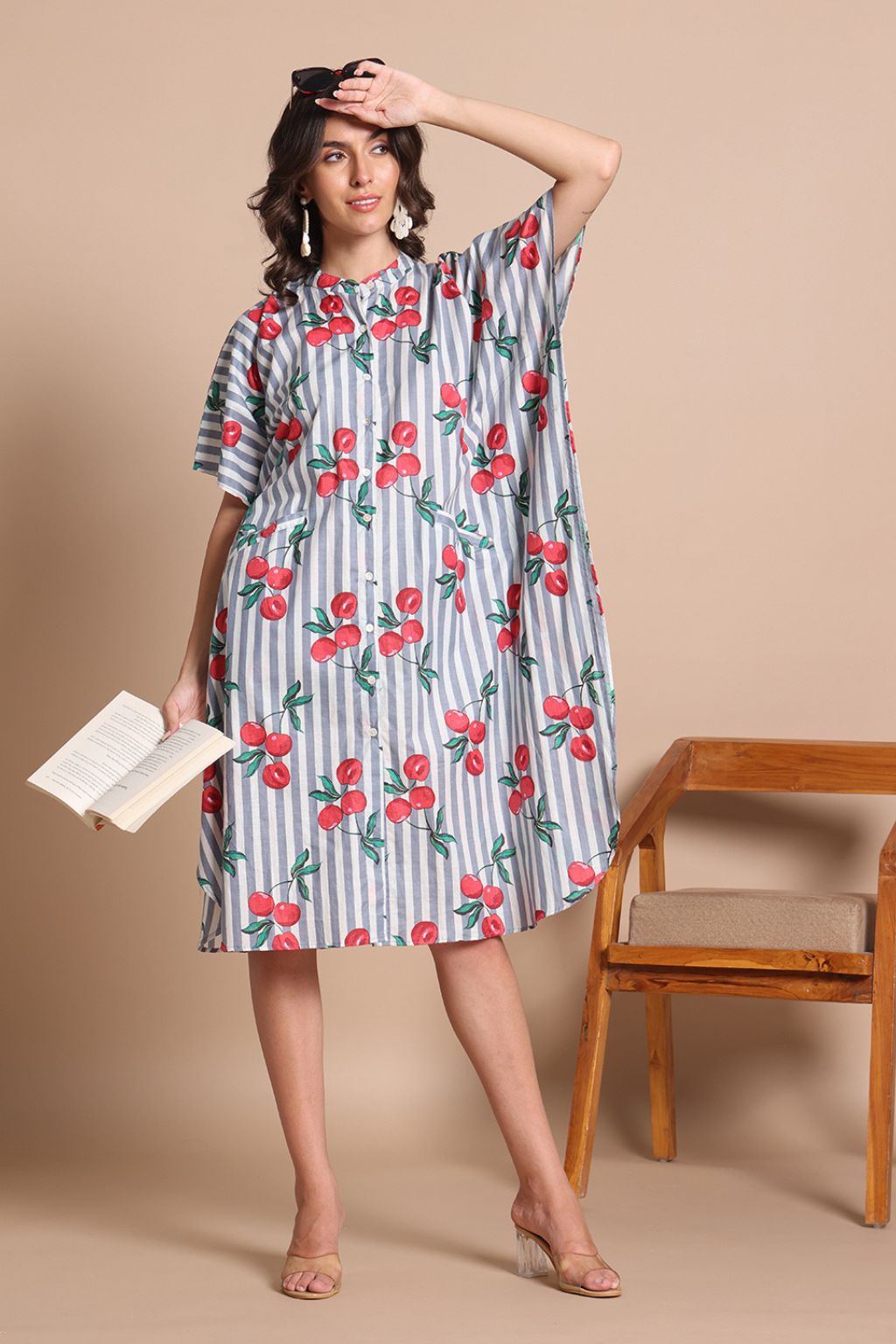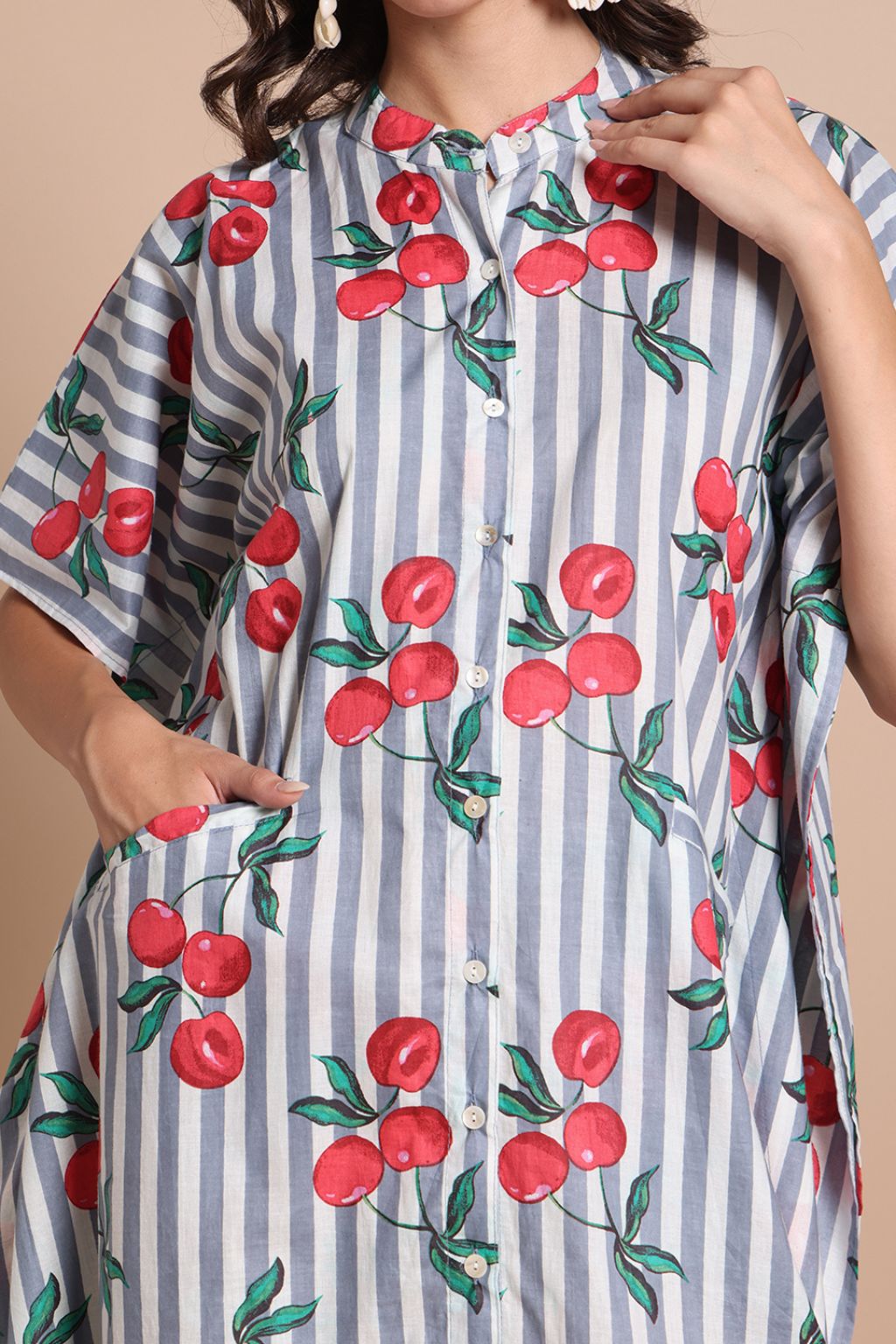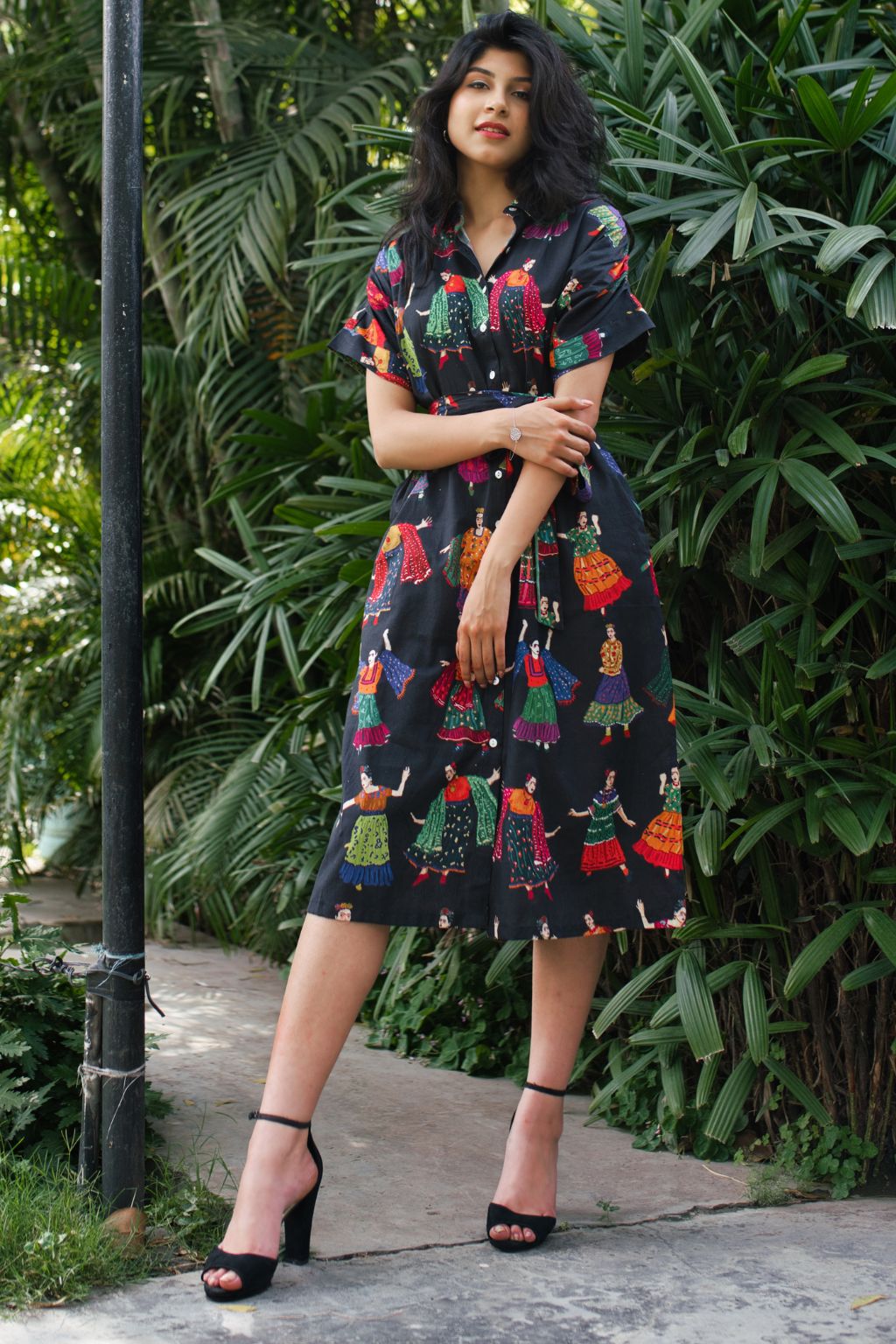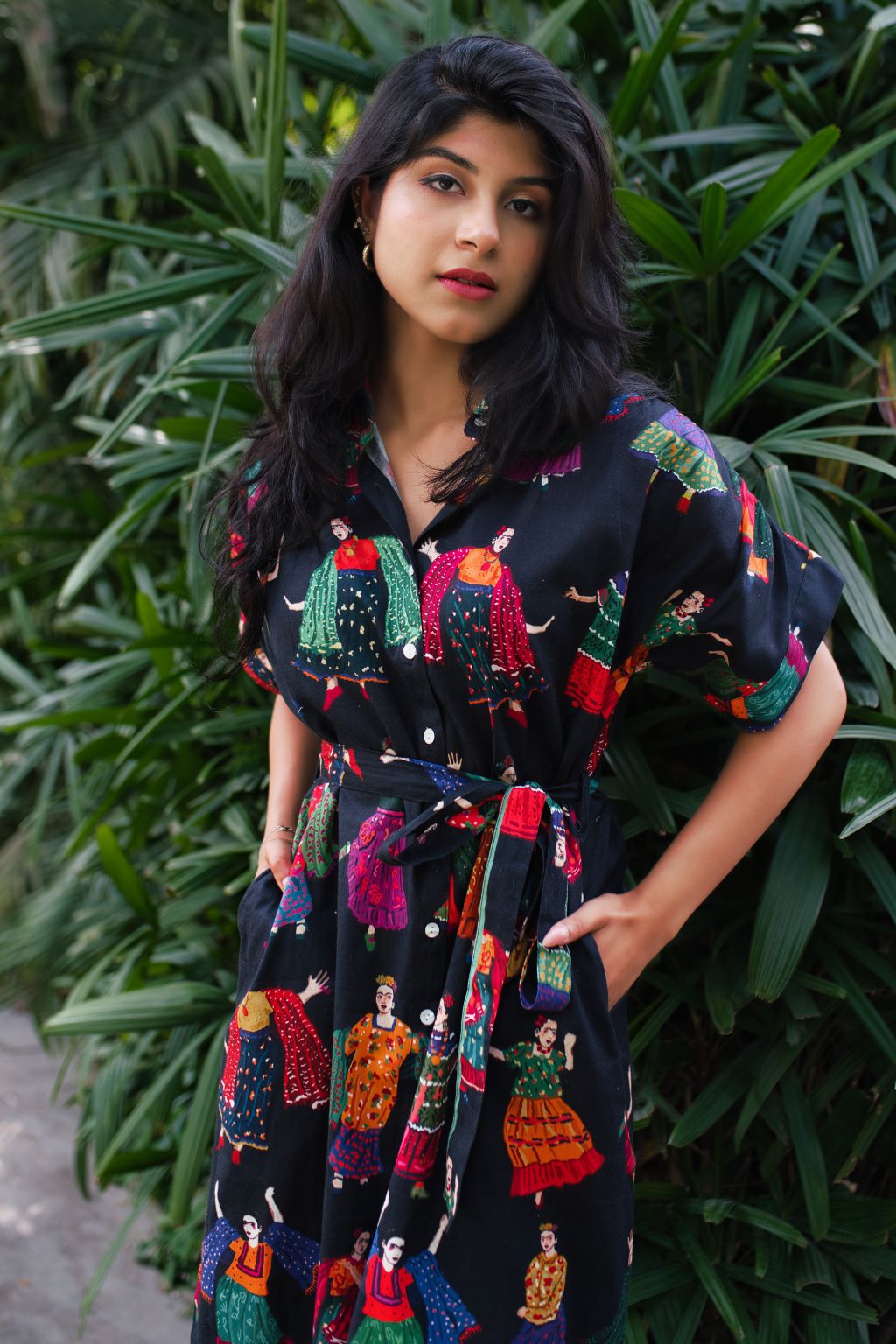

Crafted for You
Designed with intention. Made for comfort
Shop by Categories
THE RAJASTHAN RANG CHAPTER :
Our Rajasthan Rang chapter brings together timeless Rajasthani prints inspired by Bagru, Sanganer, and Jahota.
Each piece reflects Rajasthan’s rich craft heritage through traditional motifs, natural dyes, and hand artistry.
STYLED BY YOU, LOVED BY ALL
Why fabric comes first at Safeera
Because true comfort doesn’t start with design — it starts with fabric.
WOMEN OF SAFEERA
SAFEERA TALK
I Thought I Knew Indian Textiles. Then I Discovered These Hidden Masterpieces.
I'll be honest—I thought I knew Indian textiles. From Banarasi sarees or Kanjeevaram to bandhani dupattas, India's textile heritage is like an iceberg; what we see is just the tip. Beneath lies an extraordinary world of fabrics most of us have never heard of.Mashru: The Fabric Born from Forbidden LoveMashru means "permitted" in Arabic. Islamic law prohibits men from wearing pure silk against their skin, so clever Gujarat weavers created Mashru—silk exterior, cotton interior. Men could enjoy silk's sheen without breaking religious codes.It's a satin weave where silk floats on the surface while cotton dominates underneath. A single saree takes 15-20 days of continuous work. Only a handful of Patan families still practice this craft.Himroo: Aurangabad's Democratic LuxuryHimroo from Maharashtra was deliberately created to look like expensive Kinkhab brocade at affordable prices. Using cotton or silk for warp and silk for weft, weavers create intricate Persian-inspired patterns in jewel tones. A shawl takes 20-45 days depending on complexity.Aurangabad once had thousands of Himroo looms. Today, fewer than 50 families keep this tradition alive.Toda Embroidery: Art from the NilgirisHigh in Tamil Nadu's Nilgiris, Toda women practice "pukhoor"—bold geometric embroidery using only red and black thread. They use no sketches; designs exist entirely in their minds, passed down for generations. A shawl takes 2-3 months working part-time.Each pattern carries meanings about their relationship with buffaloes, nature, and the divine.Sujani: Bihar's Storytelling QuiltsThese Bihar quilts are made from layers of old sarees, stitched with running stitches that create elaborate narratives—village life, mythology, festivals, social messages. Large quilts take 3-6 months.During Bihar's freedom movement, women stitched revolutionary messages into quilts while appearing to do harmless women's work.Tangaliya: Gujarat's Vanishing DotsUNESCO-listed as endangered, Tangaliya shawls feature raised dot patterns created by tying knots with supplementary weft threads during weaving. One shawl requires 20-25 days and thousands of hand-tied knots.The Dangasia community is down to just a few weavers who know this technique.Eri Silk: Assam's Peace Silk"Ahimsa silk" is extracted only after moths leave cocoons naturally—no creatures harmed. With cotton-like texture and exceptional thermal properties, the entire process from rearing silkworms to spinning takes 45-60 days.Bagh Print: Madhya Pradesh's Ancient BlocksThis 400-year-old craft uses hand-carved wooden blocks and natural dyes. Fabric undergoes multiple washes, treatment with castor oil, then printing with different blocks for each color. A saree takes 15-20 days from start to finish.There are many more just like the above that we don't know about, but we can find out.....can't we?
Learn moreWhat wearing too much polyester can mean for your skin?
Polyester is everywhere — in everyday clothes, activewear, loungewear, and even nightwear. It’s affordable, wrinkle-resistant, and easy to maintain. But when polyester sits directly on your skin for long hours, especially day after day, it can quietly affect how your skin feels and behaves. Here’s what research tells us......
Learn moreWhy Can't Two Block-Printed Pieces Ever Be Exactly the Same? And what does that teach us about the clothes we wear every day?
Why Does "Made to Be Lived In" Matter?Because comfort clothing for women shouldn't be reserved for lounging.Safeera everyday wear is designed for real life: long workdays, travel days, slow mornings, and busy afternoons. Our cotton comfort wear and lounge wear for women transition effortlessly because they're rooted in one belief:
Learn moreThe Evolution of Stripes in India: From Ancient Looms to Modern Comfortwear
Stripes are among the oldest textile patterns in Indian history, yet they remain one of the most preferred designs in contemporary Indian women’s clothing. From traditional handloom fabrics to modern striped cotton dresses and kaftans, stripes have evolved alongside India’s cultural, climatic, and lifestyle needs. In today’s era of slow fashion, conscious clothing, and breathable natural fabrics, stripes are not just a design choice — they are a lifestyle statement. Brands like Safeera, which focus on pure cotton, premium natural fabrics, and anti-fit silhouettes, are bringing this timeless pattern back into everyday relevance. This blog explores the journey of stripes in India, why Indian women continue to prefer striped clothing, and how modern brands are redefining stripes for comfort-driven, mindful wardrobes. 1. Origins of Stripes in Indian Textiles The history of stripes in India dates back centuries, deeply rooted in handloom weaving traditions. Unlike printed motifs that emerged later, stripes were often structural, created directly on the loom using coloured yarns. Key regions known for traditional striped textiles include: Bengal & Odisha – Fine handloom cottons with subtle vertical and horizontal stripes Andhra Pradesh & Telangana – Striped Ikat and cotton weaves Tamil Nadu – Kanchi and Chettinad cottons featuring bold stripe layouts Rajasthan – Stripes combined with block printing and resist dyeing techniques These striped fabrics were originally worn as everyday clothing, designed for hot climates, airflow, and durability — values that strongly align with modern preferences for breathable cotton clothing and comfort wear for women. 2. Why Stripes Became Everyday Wear in India Unlike heavily ornamental prints reserved for occasions, stripes were historically associated with daily utility. Their popularity grew because: Stripes visually elongate the body, making them flattering across body types They offer timeless appeal, unaffected by fast-changing trends They work seamlessly across lounging, travel, work-from-home, and casual wear They pair well with anti-fit and relaxed silhouettes, ideal for Indian climates This is why even today, striped cotton dresses, striped kaftans, and striped kurta sets continue to dominate everyday Indian wardrobes. Modern brands like Safeera tap into this deep-rooted preference by offering striped comfortwear made from pure cotton, linen, hemp, and cotton-silk blends, ensuring functionality without compromising on aesthetics. 3. Transition from Traditional Stripes to Modern Prints As textile techniques evolved, stripes began to appear not only as woven patterns but also through: Block printing (Bagru, Sanganeri styles) Screen printing on cotton poplin and mulmul Yarn-dyed stripes for colour longevity This transition allowed stripes to become more versatile — moving from sarees and dhotis to modern dresses, kaftans, co-ord sets, and nightwear. Safeera’s approach reflects this evolution by sourcing stripes from across India, adapting regional techniques into modern silhouettes designed for daily comfort, summer wear, and mindful living. 4. Why Indian Women Still Prefer Stripes Today In contemporary fashion, stripes hold a unique position. Market insights consistently show that Indian women gravitate towards stripes because they represent: Effortless styling Seasonless design Minimal yet premium aesthetics Comfort-first fashion Especially in categories like: Cotton dresses for summer Kaftans for women Nightwear and loungewear Travel-friendly everyday clothing This preference aligns perfectly with Safeera’s philosophy — slow fashion, non-repetitive designs, premium natural fabrics, and thoughtful silhouettes crafted for real life. 5. Stripes, Slow Fashion & Conscious Living Stripes are inherently aligned with slow fashion values: They don’t go out of trend They reduce overconsumption driven by fast fashion They encourage long-term wardrobe building Safeera’s striped collections are designed with this exact mindset — anti-fit, breathable, durable garments that can be worn repeatedly across seasons. By focusing on pure cotton clothing, ethical sourcing, and Indian textile heritage, Safeera positions stripes not as a trend, but as a responsible fashion choice. 6. The Future of Stripes in Indian Fashion Looking ahead, stripes are expected to evolve in the following ways: Softer, muted colour palettes paired with bold stripe placements Increased use of organic cotton, hemp, and bamboo blends More relaxed, inclusive silhouettes like kaftans, tunics, and anti-fit dresses Stronger storytelling around Indian craftsmanship and textile origins Safeera is already moving in this direction by integrating premium fabrics from across India, modern comfort-led design, and a non-repetitive slow fashion model. Conclusion: Why Stripes Will Always Belong in Indian Wardrobes Stripes have survived centuries of fashion evolution because they serve a purpose — comfort, versatility, and timeless beauty. From ancient looms to modern-day cotton dresses and kaftans, stripes continue to reflect the Indian way of dressing: practical, elegant, and deeply rooted in craft. At Safeera, stripes are not just a design element — they are a celebration of Indian textile heritage, mindful living, and everyday comfort, thoughtfully reimagined for the modern Indian woman. Because fashion may change, but stripes — like comfort — are forever.
Learn more