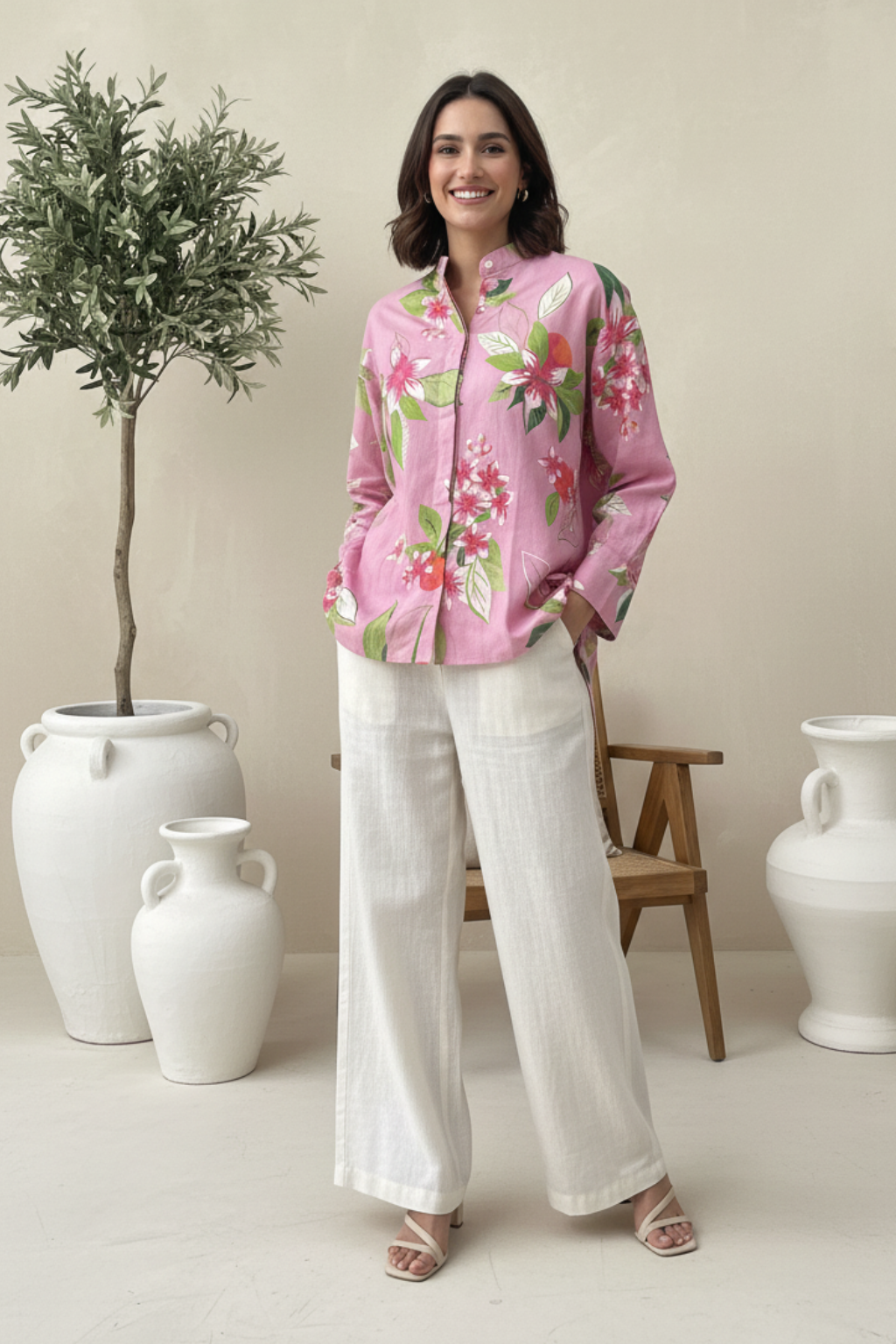



Crafted for You
Designed with intention. Made for comfort
Shop by Categories


NEW IN


Olive Muse Poplin Dress


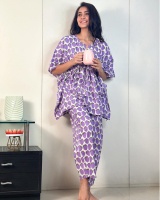
Purple Bloom Comfort Cotton Kurta


Celeste Calm Cotton Linen Shift Dress


Sienna Ease Cotton Linen Short Dress


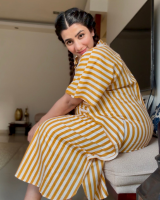
Sunset Sorbet Stripe Kaftan Dress


Rani Bloom Handwoven Ikat Cotton Kaftan


Mulberry Dusk Handwoven Ikat Cotton Kaftan


Red Blossom Ikat Cotton Kurta


OUR BESTSELLERS


The Chilli Charm Linen Dress
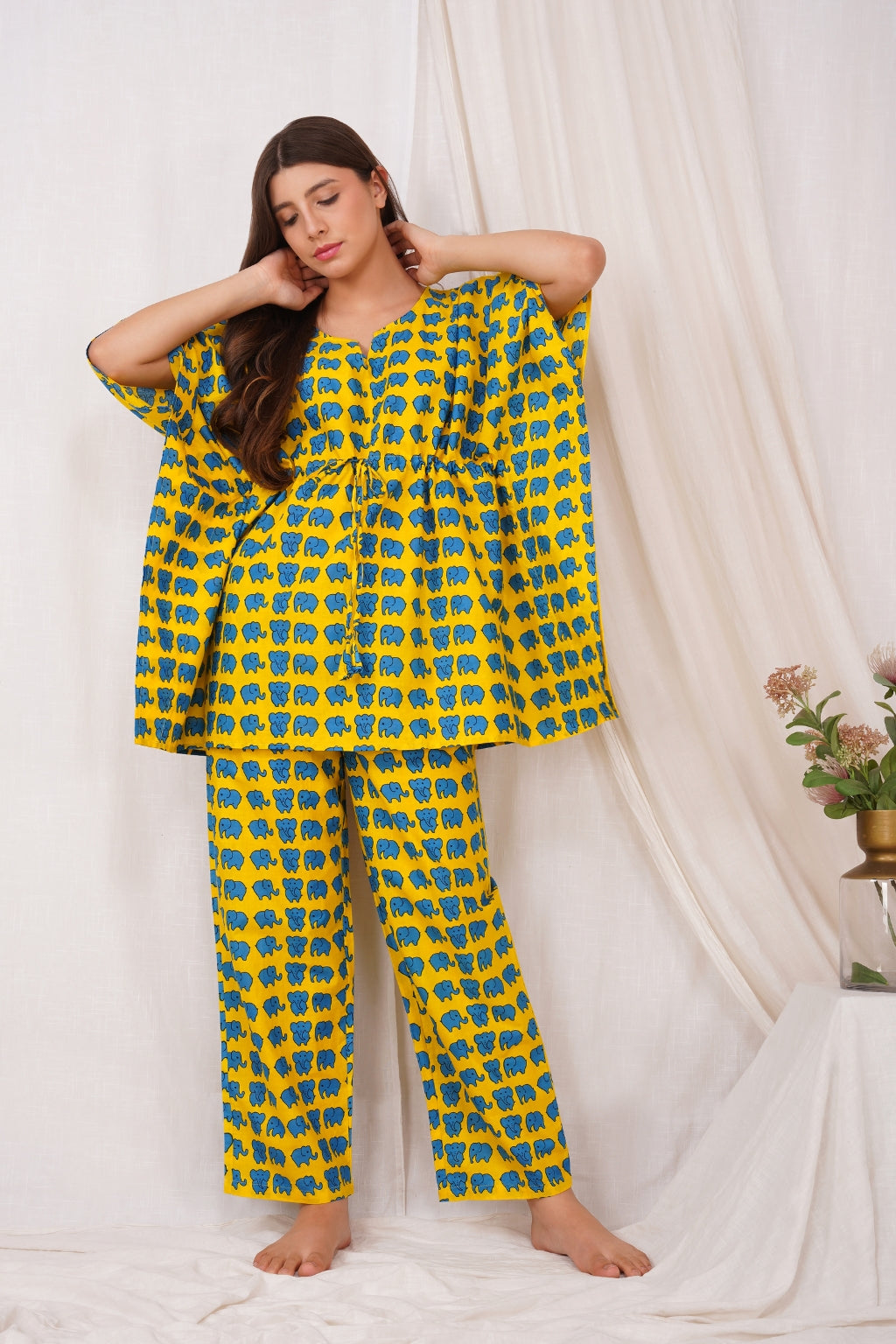
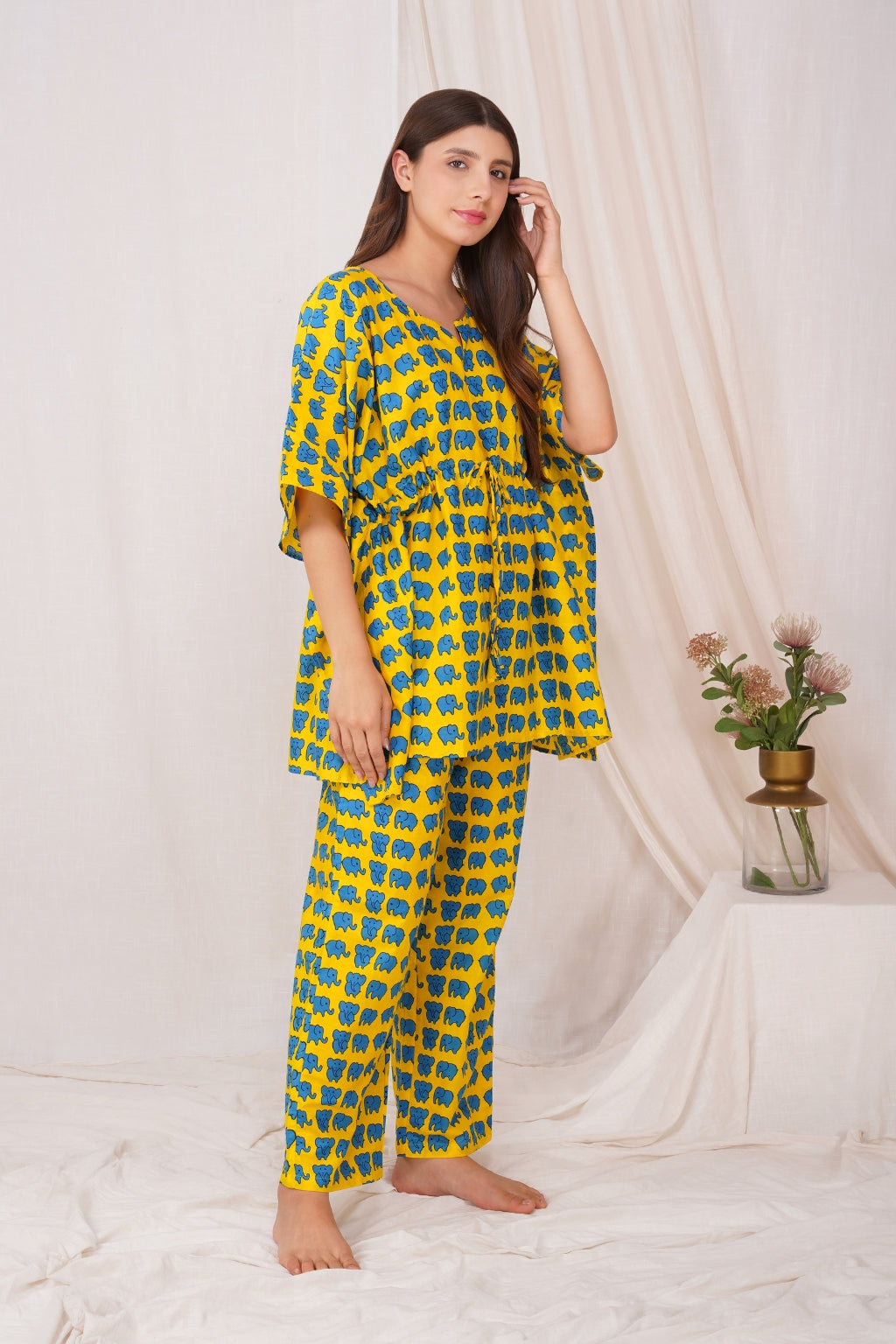
Sweet Slumber Kaftan Co Ord Set
Sunset Sorbet Stripe Kaftan Dress
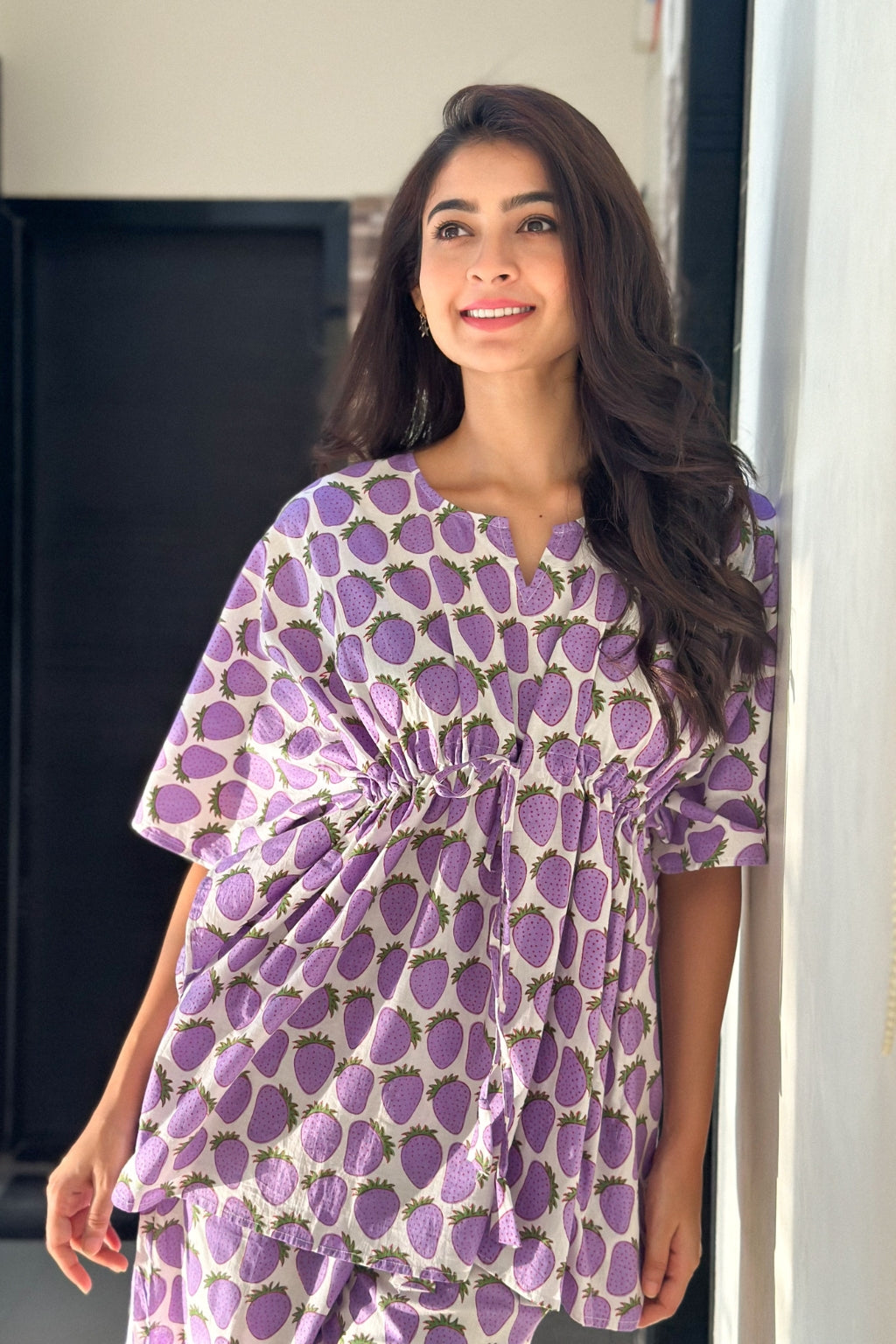
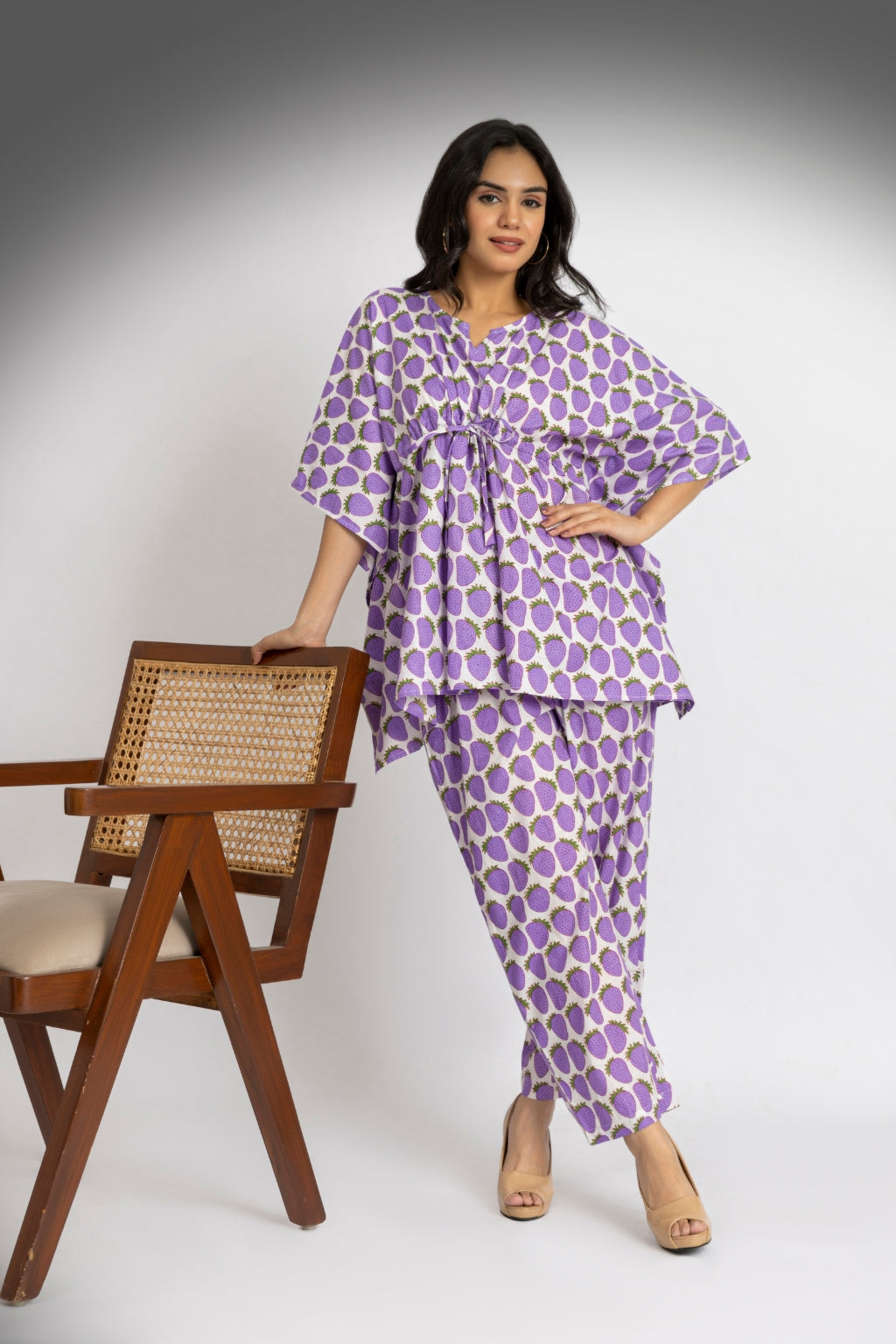
Strawberry V-Neck Kaftan Cotton Co Ord Set
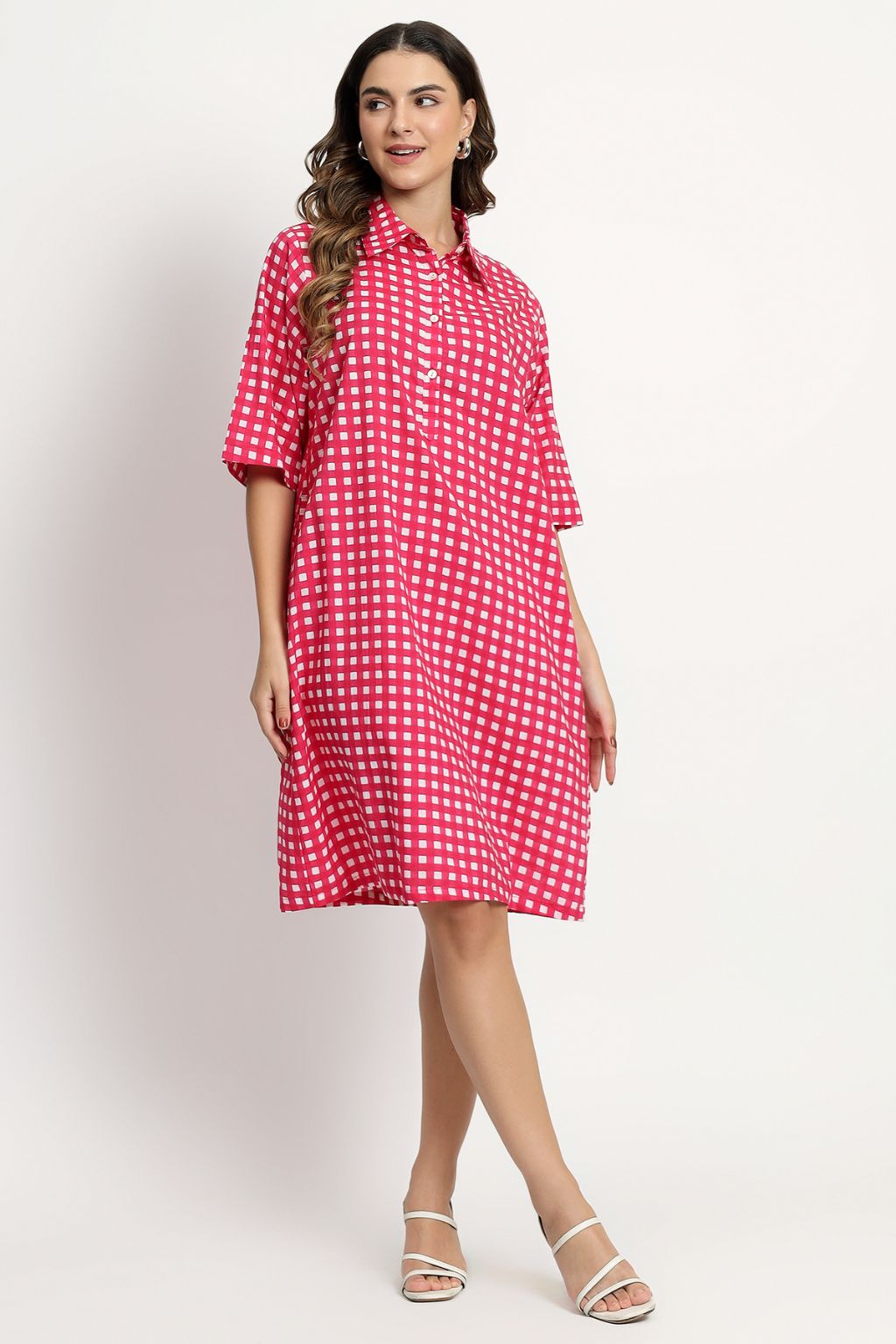
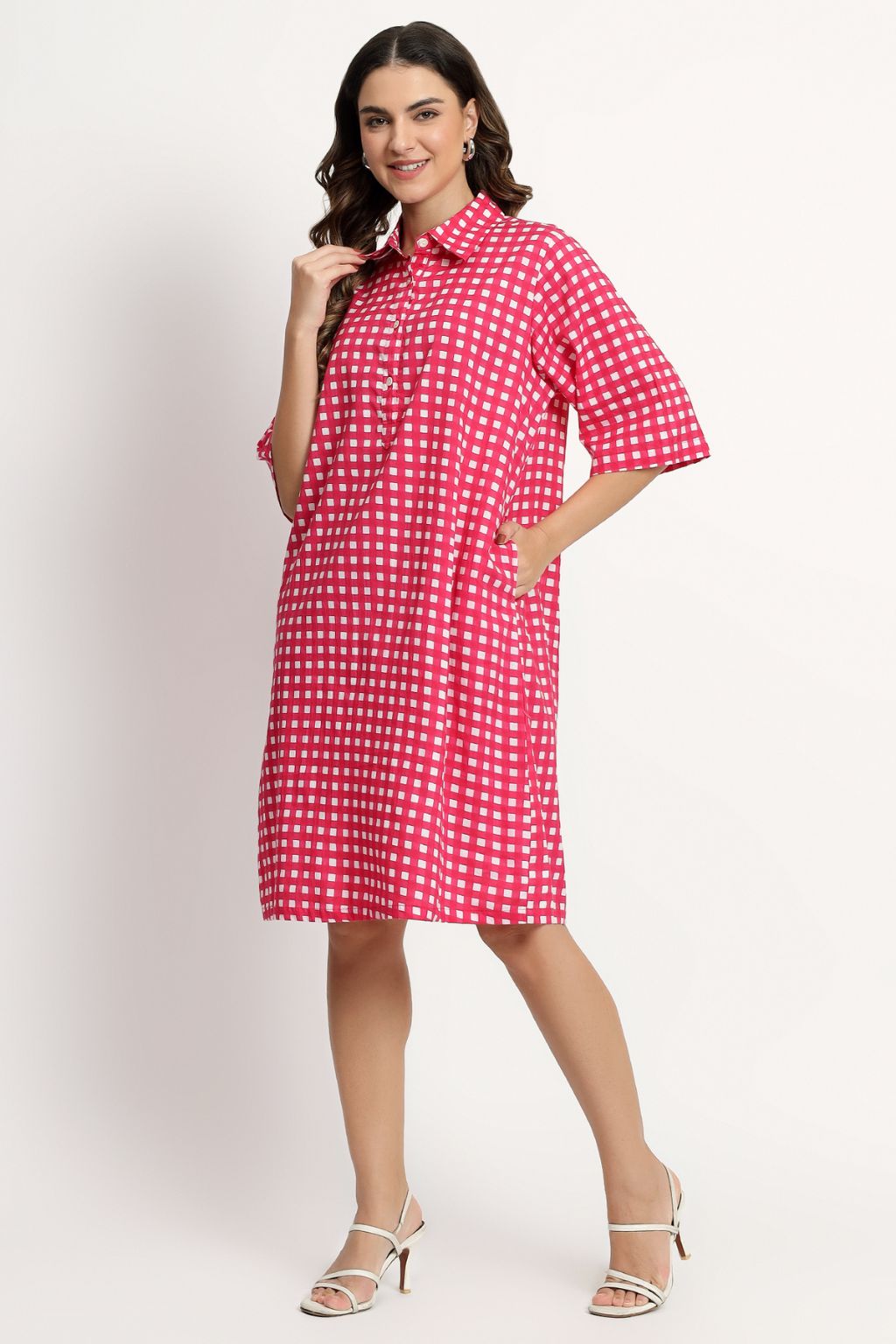
Retro Vibes Pink Check Cotton Shift Dress
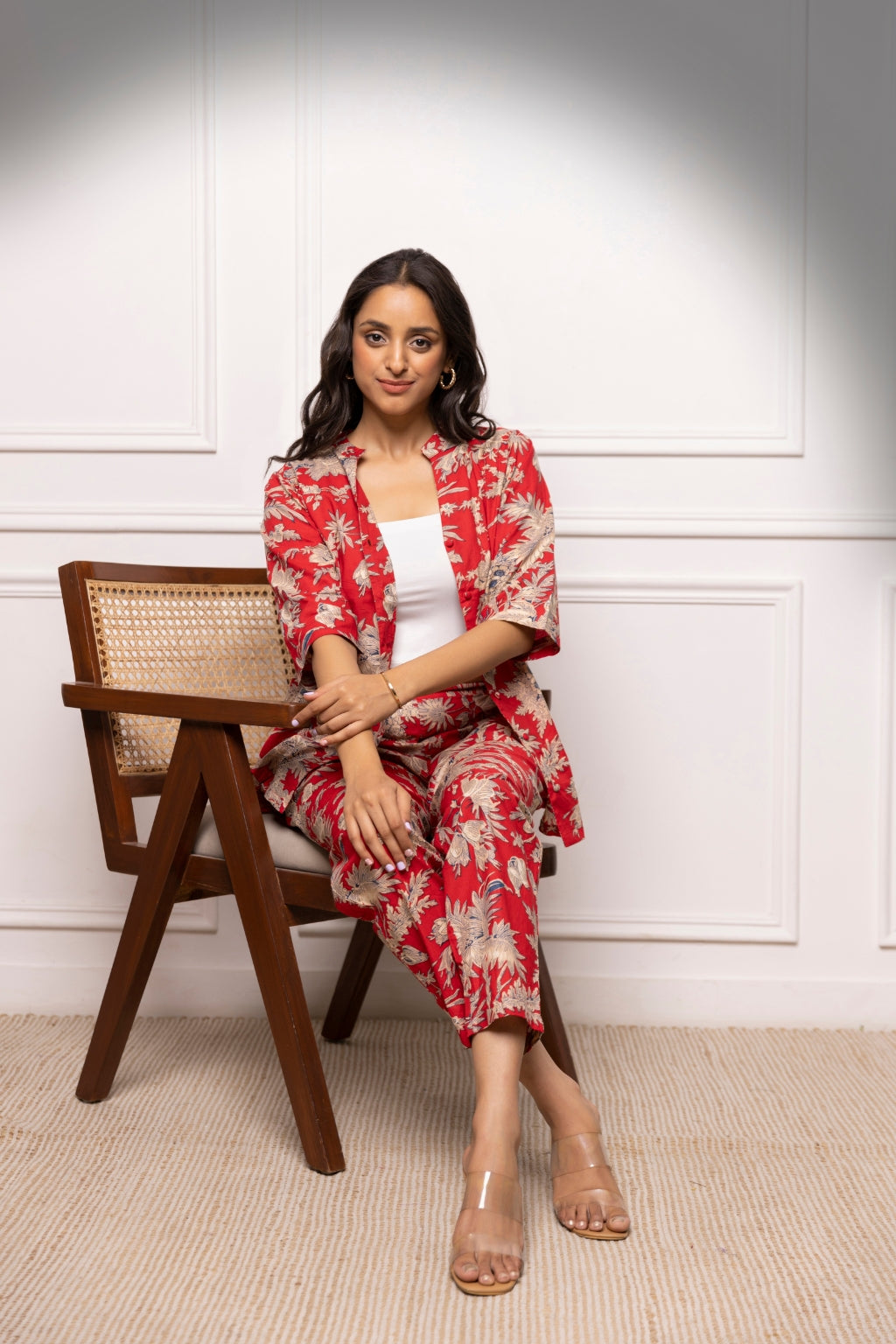
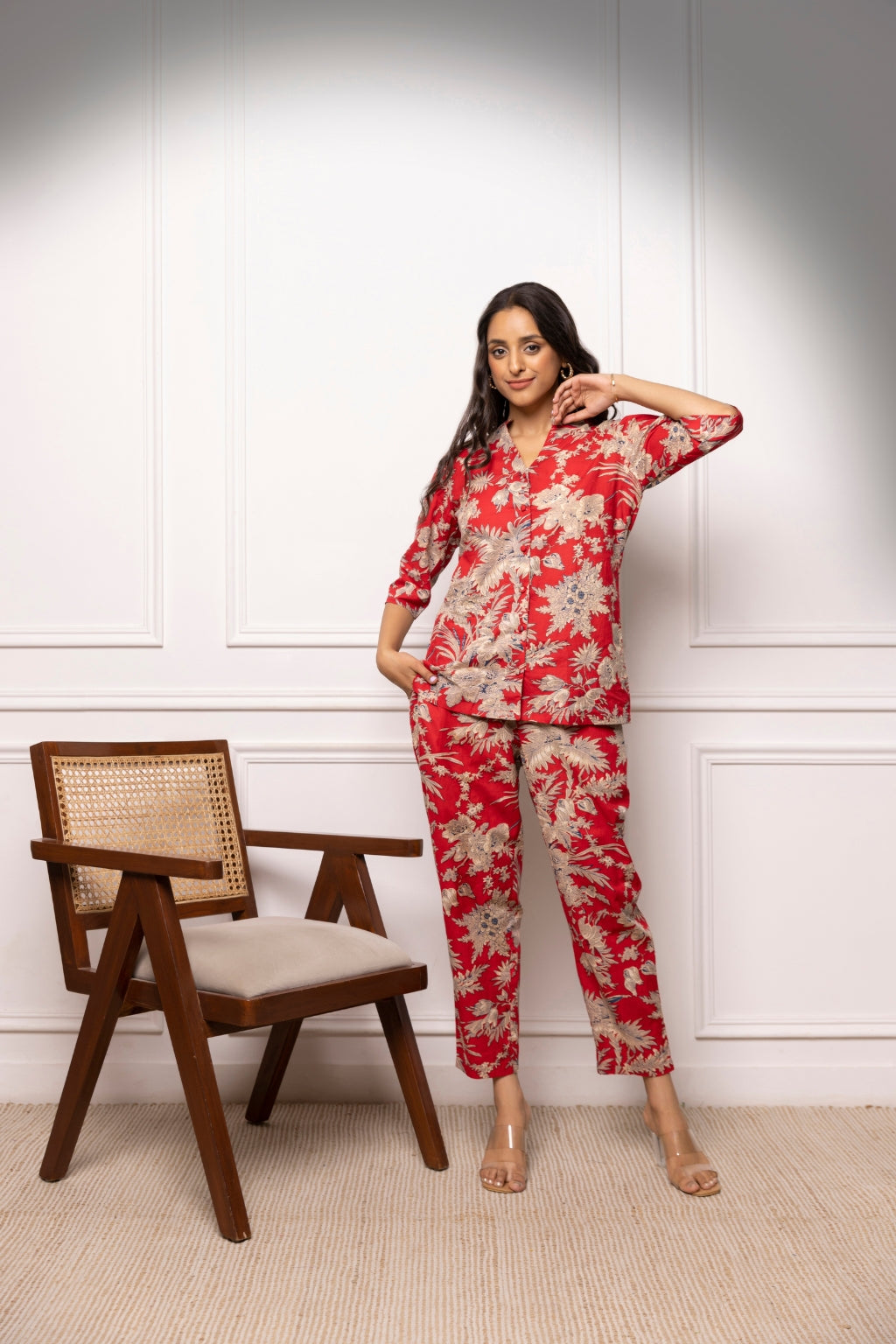
Red Flora Cotton Co-Ord Set
Rani Bloom Handwoven Ikat Cotton Kaftan
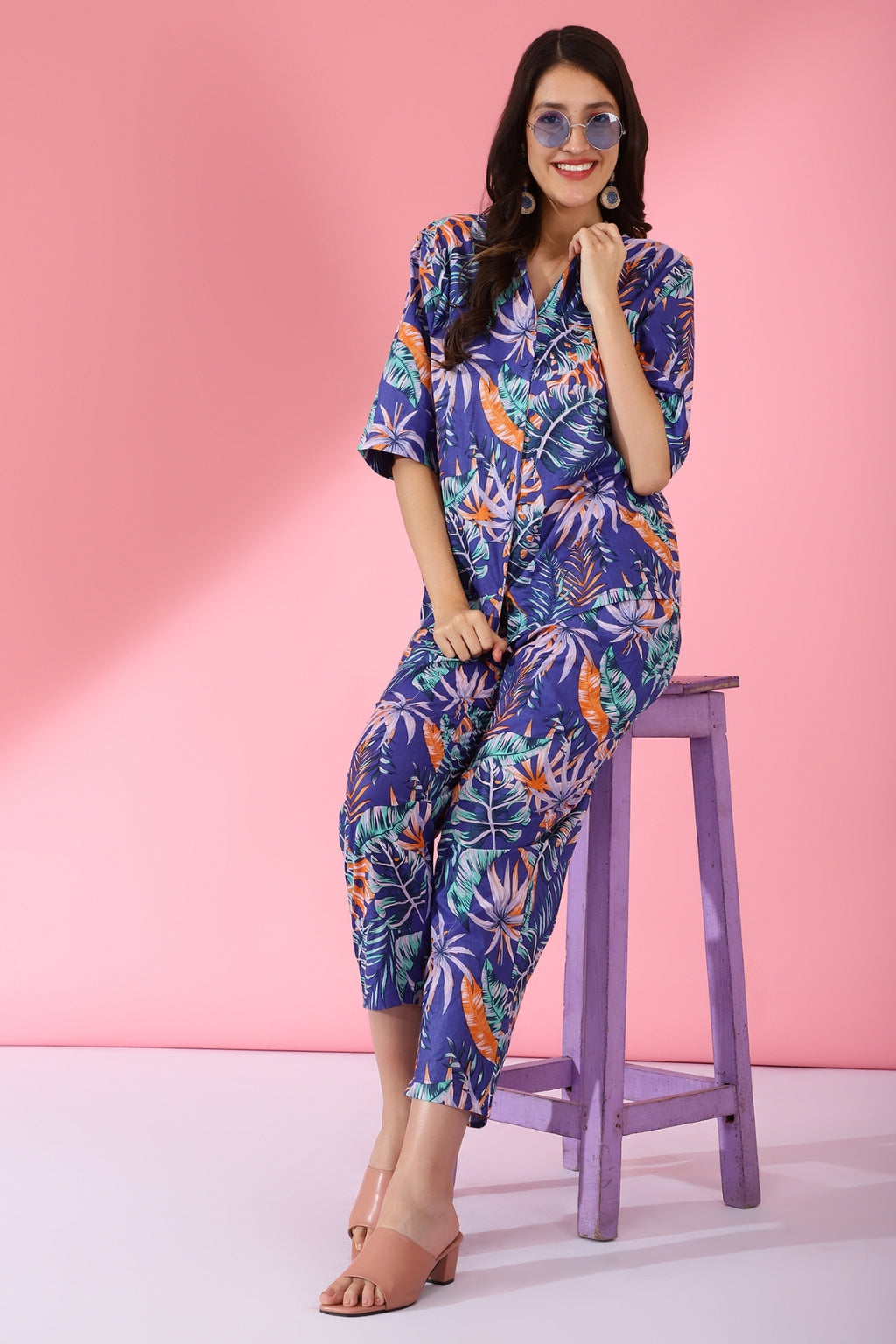
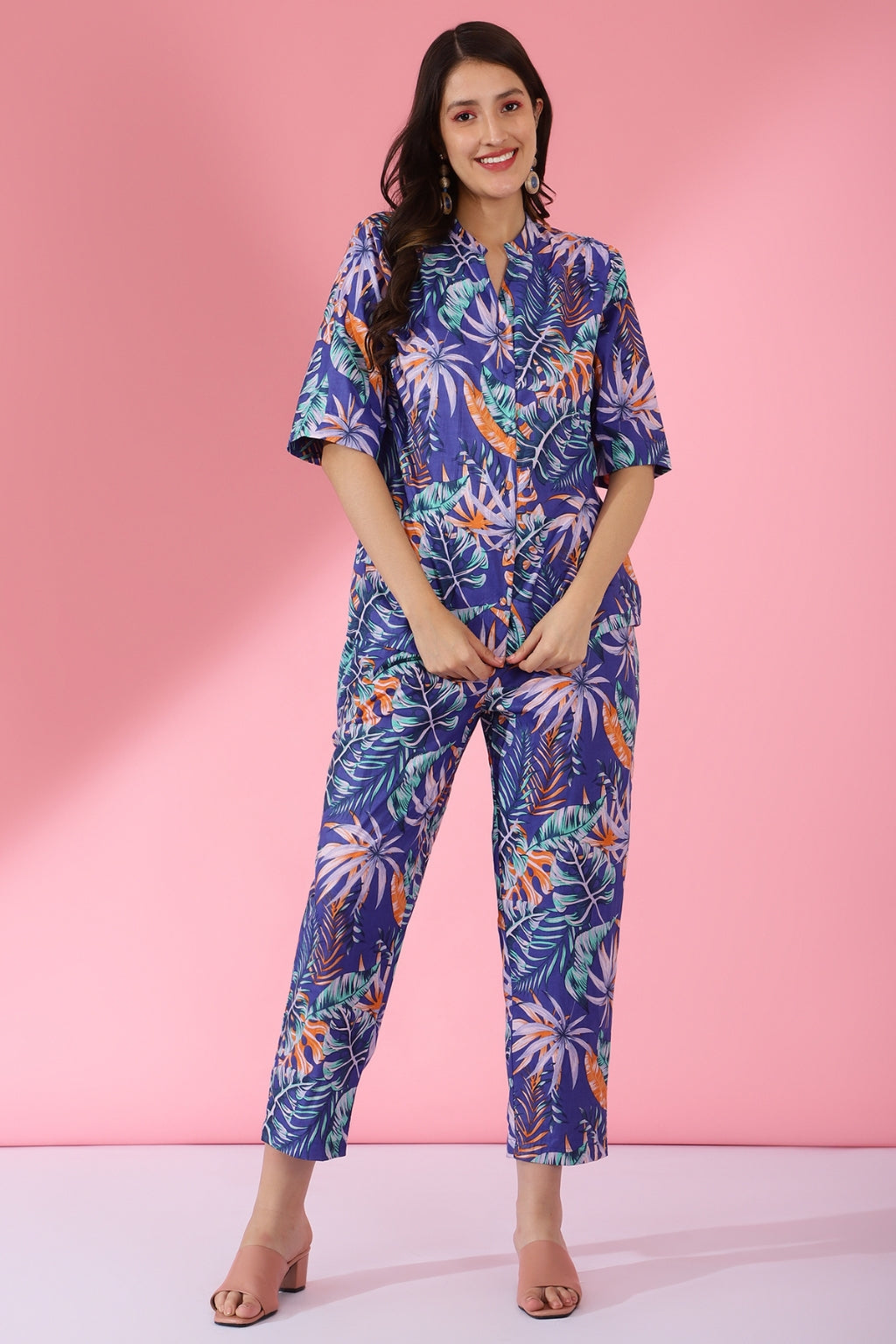
Purple Paradise Cotton Co-Ord Set


Purple Haze Belted Cotton Midi Dress


Pistachio Pop A-Line Linen Dress


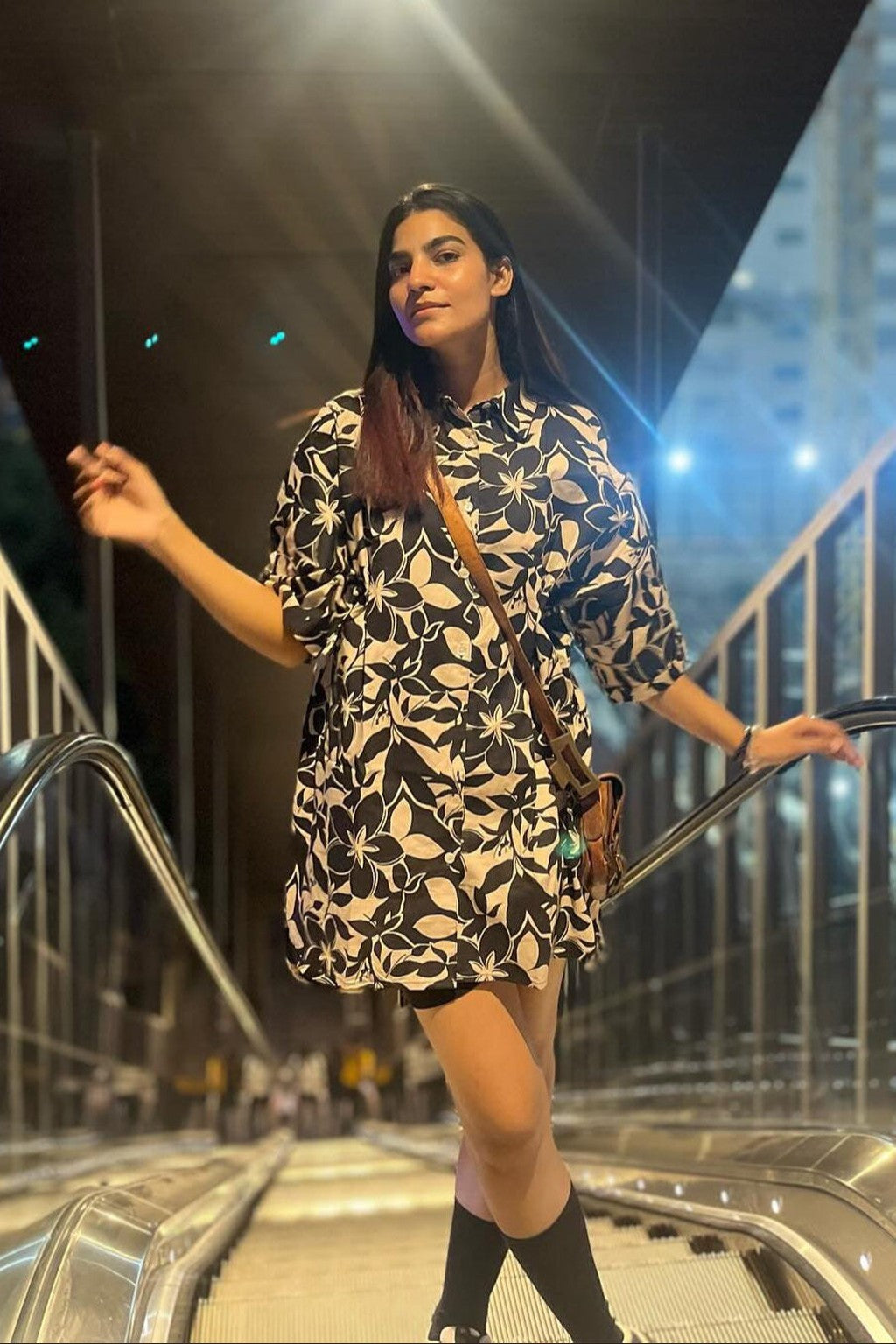
Palm Pop Cotton Long Shirt
Mulberry Dusk Handwoven Ikat Cotton Kaftan

Echoes in Ikat
Echoes in Ikat celebrates one of India’s most intricate weaving traditions. Crafted in single Ikat, each piece begins with carefully tied and dyed cotton yarns that reveal their patterns only when woven together — a process that demands exceptional skill and precision.
The collection blends heritage craft with effortless silhouettes in earthy and vibrant hues, creating timeless pieces for everyday wear.
STYLED BY YOU, LOVED BY ALL
DRESSES
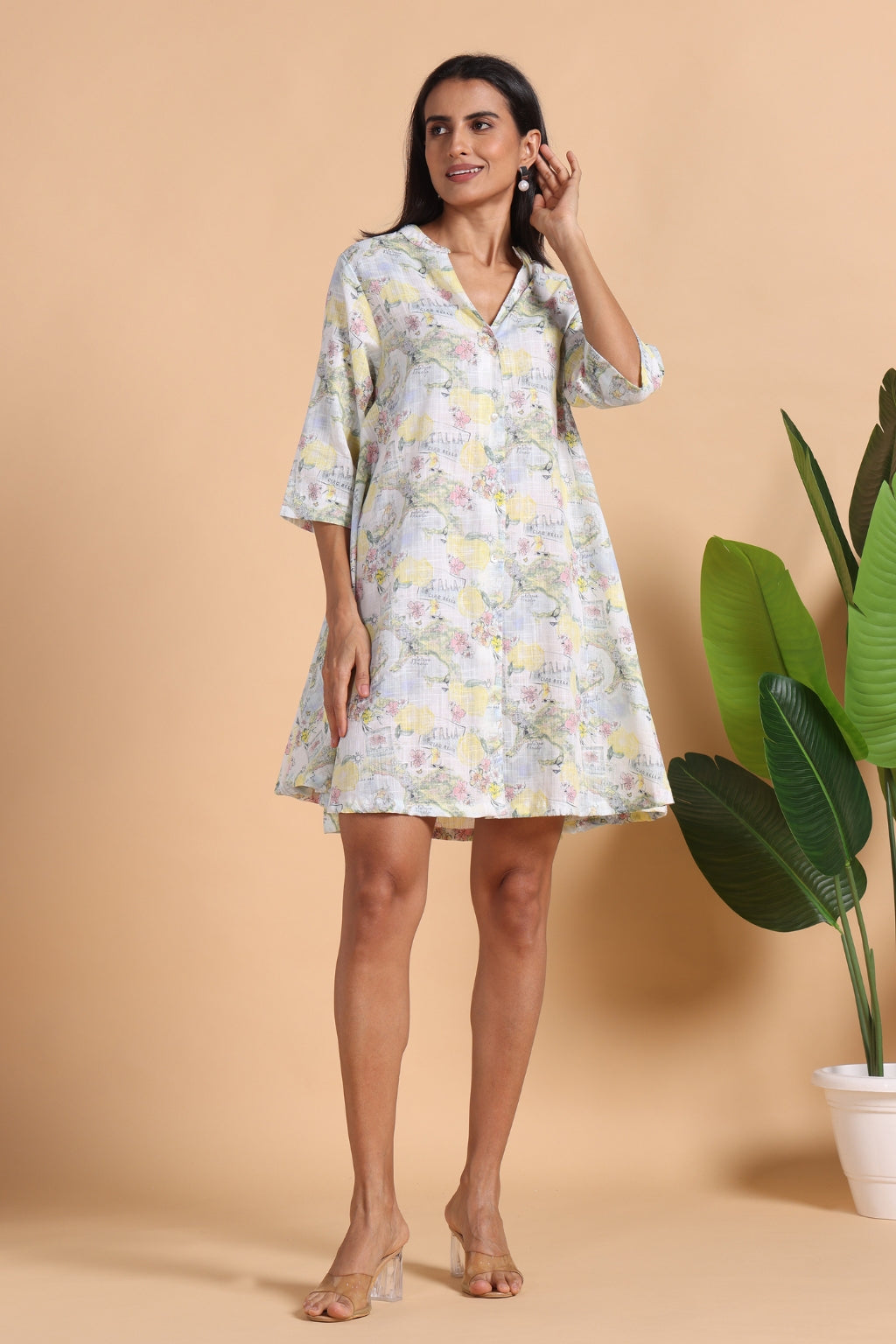
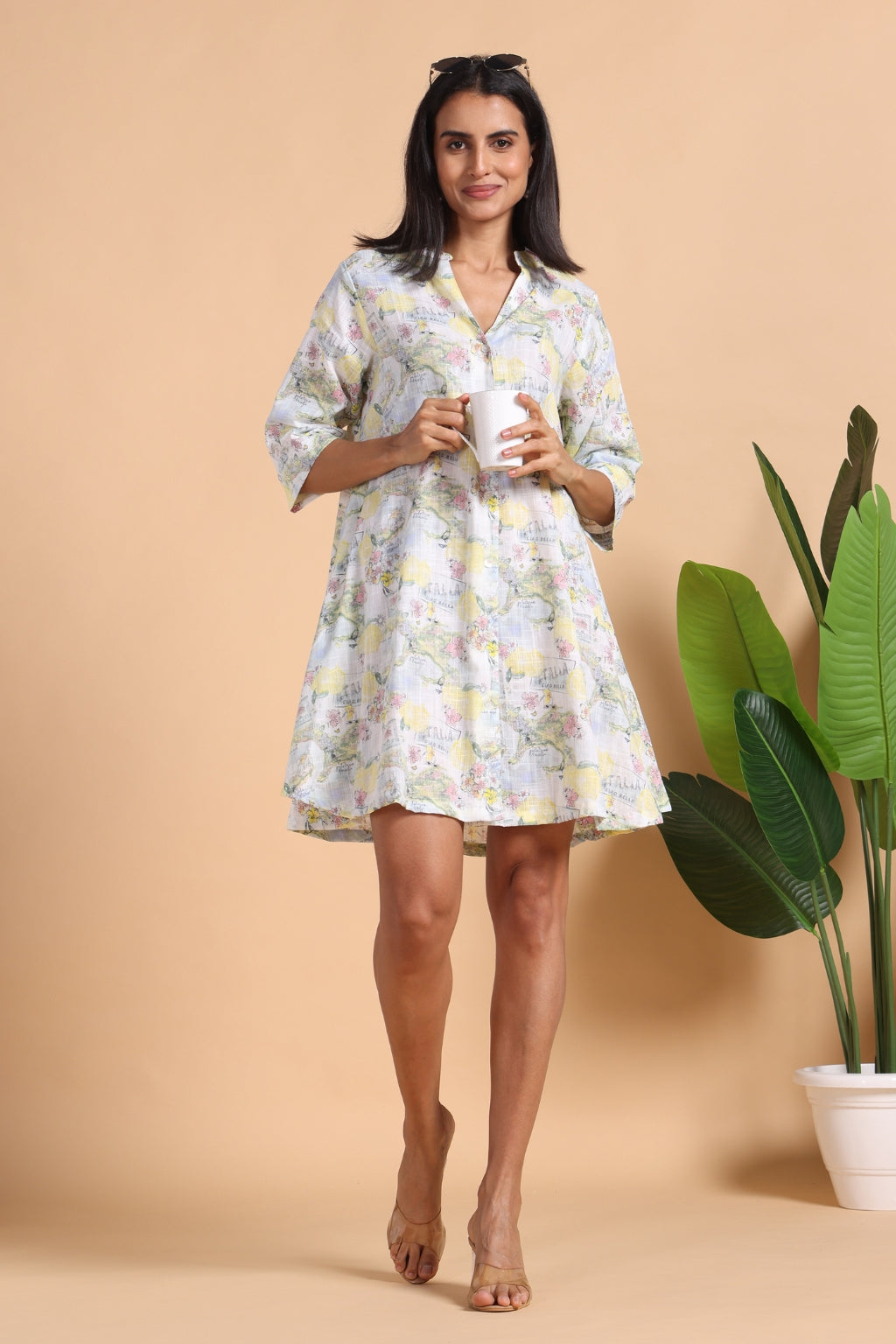
Ciao Bella Boom Cotton Short Dress
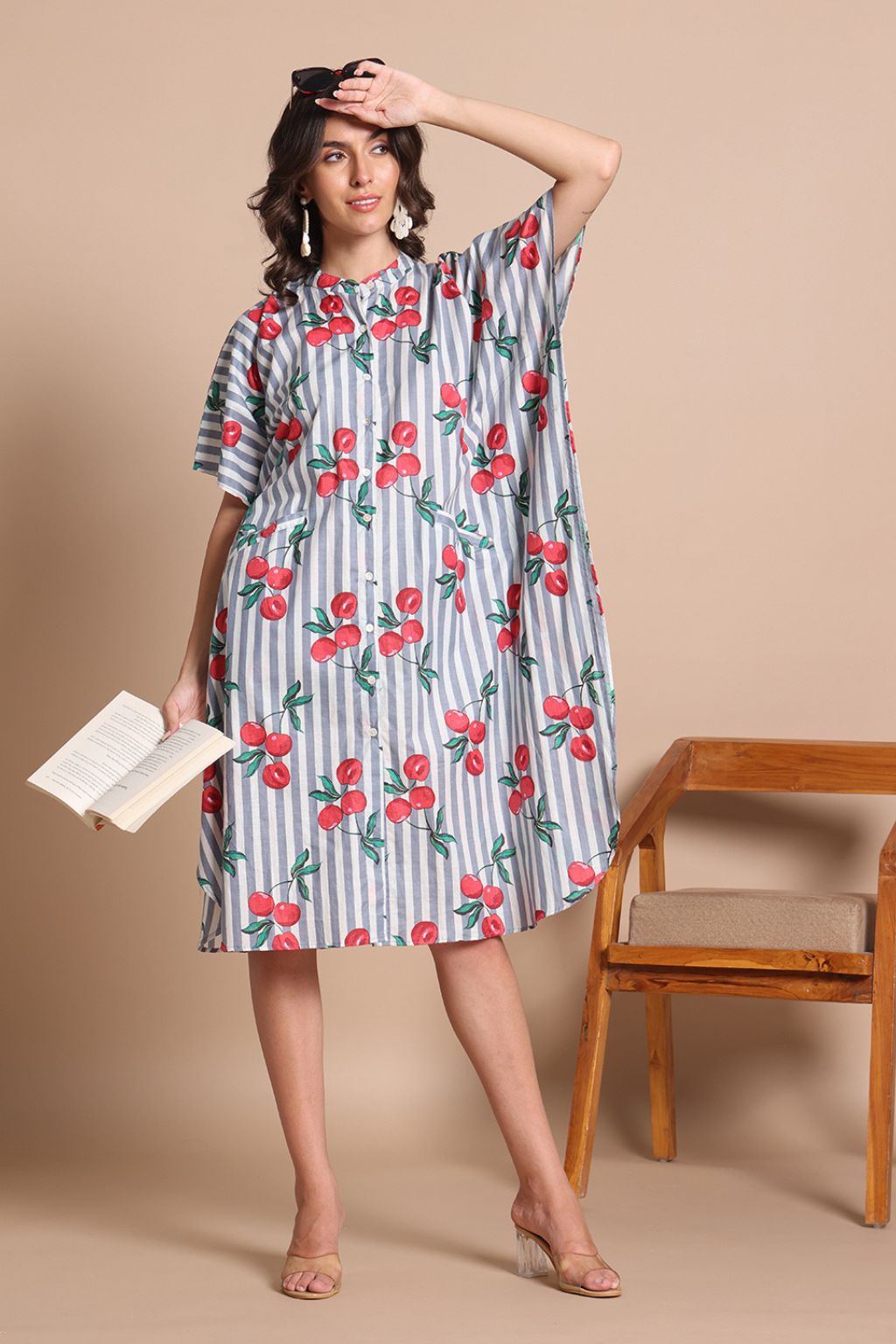
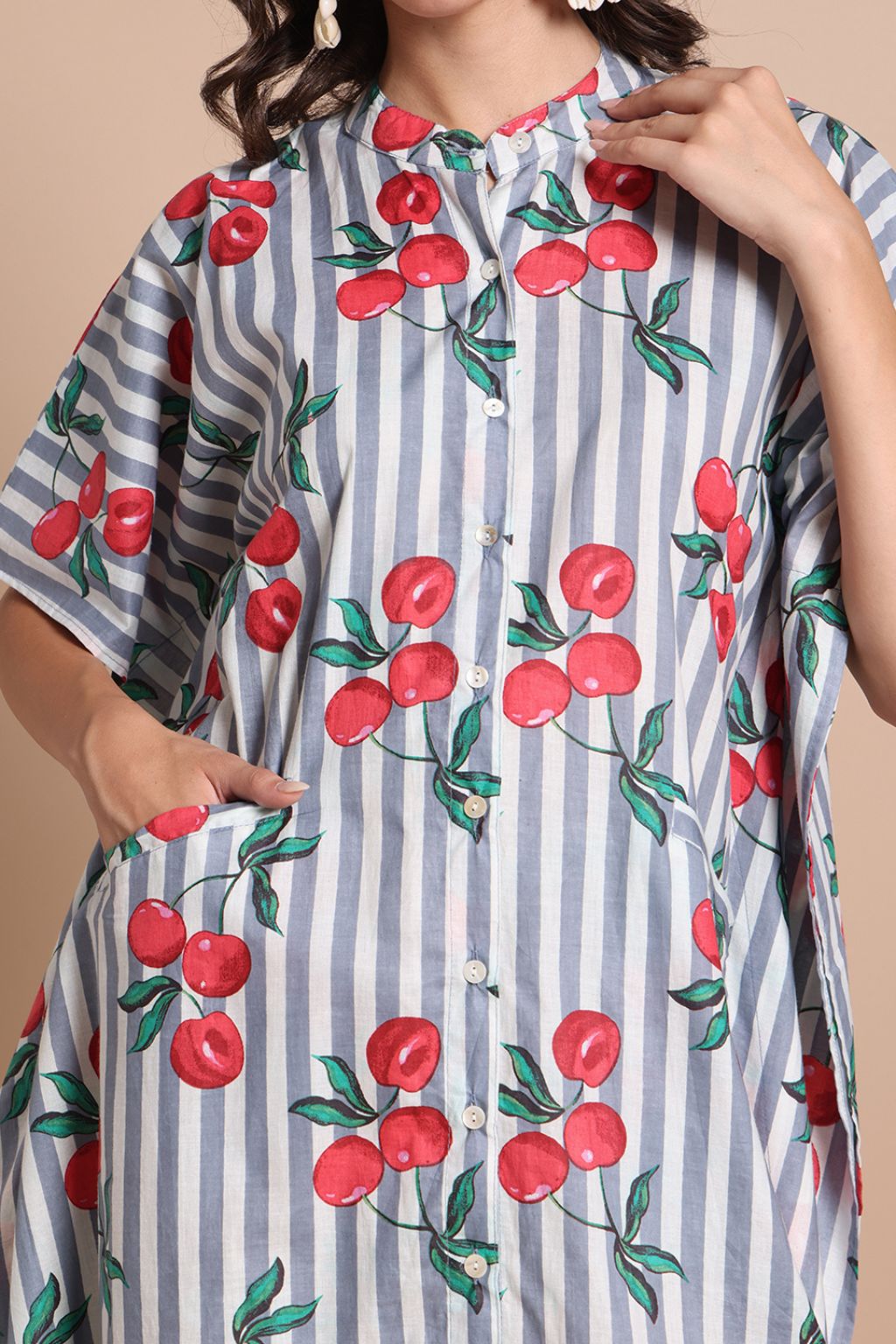
Cherry Twist Cotton Kaftan Shirt Dress


Magenta Bloom Cotton Shift Dress


Luminous Slip Cotton Short Dress
Pistachio Pop A-Line Linen Dress
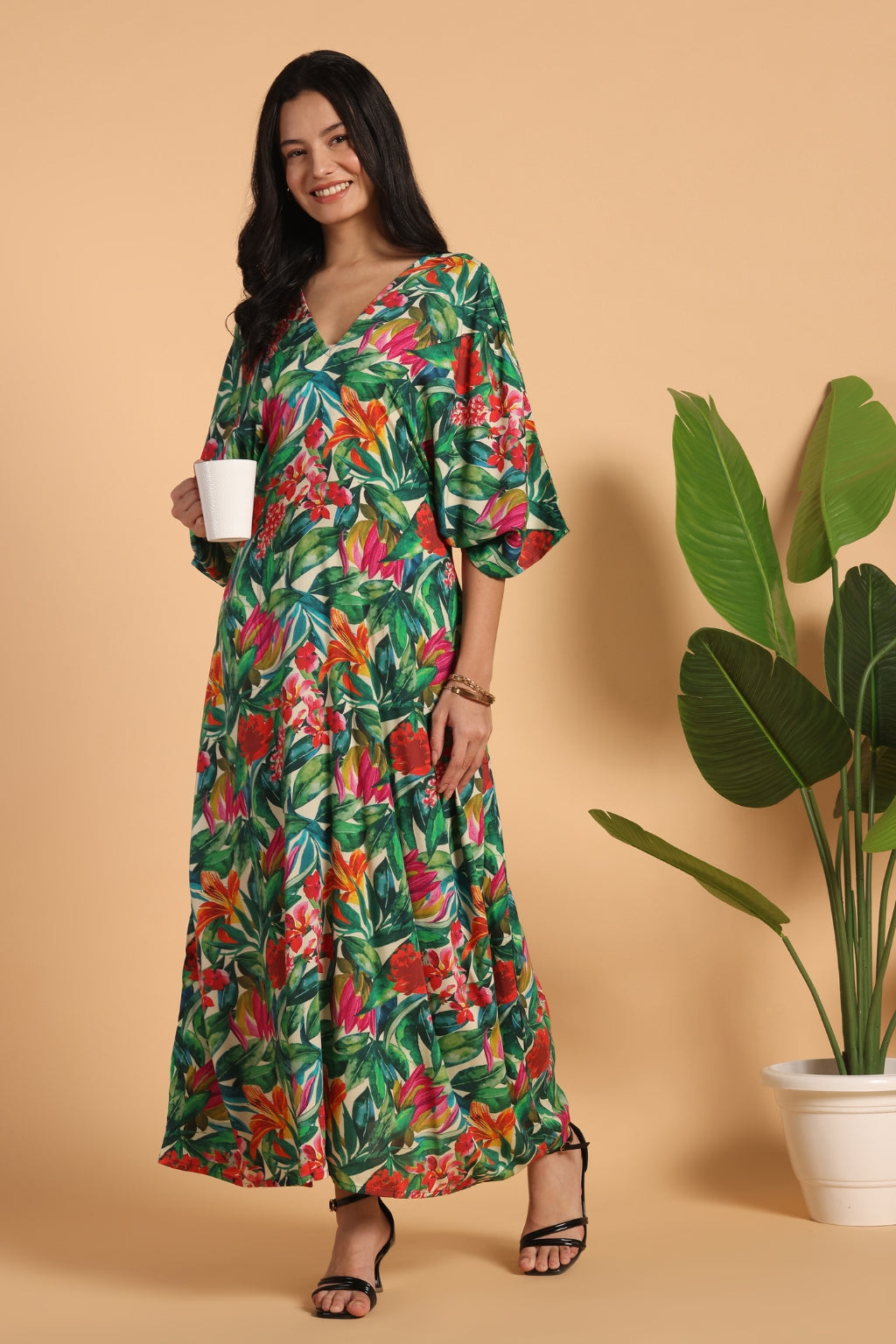
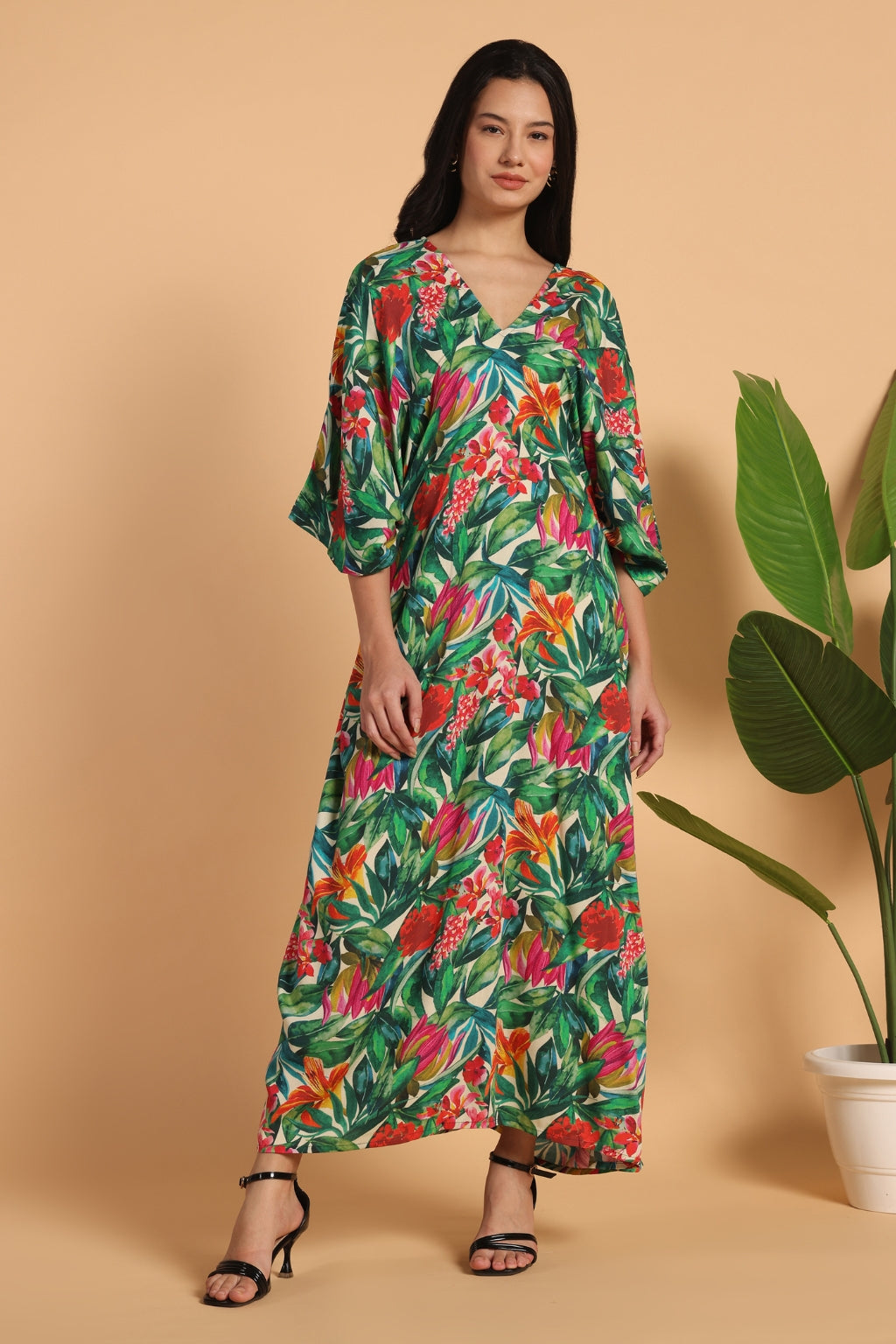
Flowers in Bloom Rayon Maxi Dress With Belt
Purple Haze Belted Cotton Midi Dress


Face-Off Cotton Midi Shirt Dress
The Chilli Charm Linen Dress
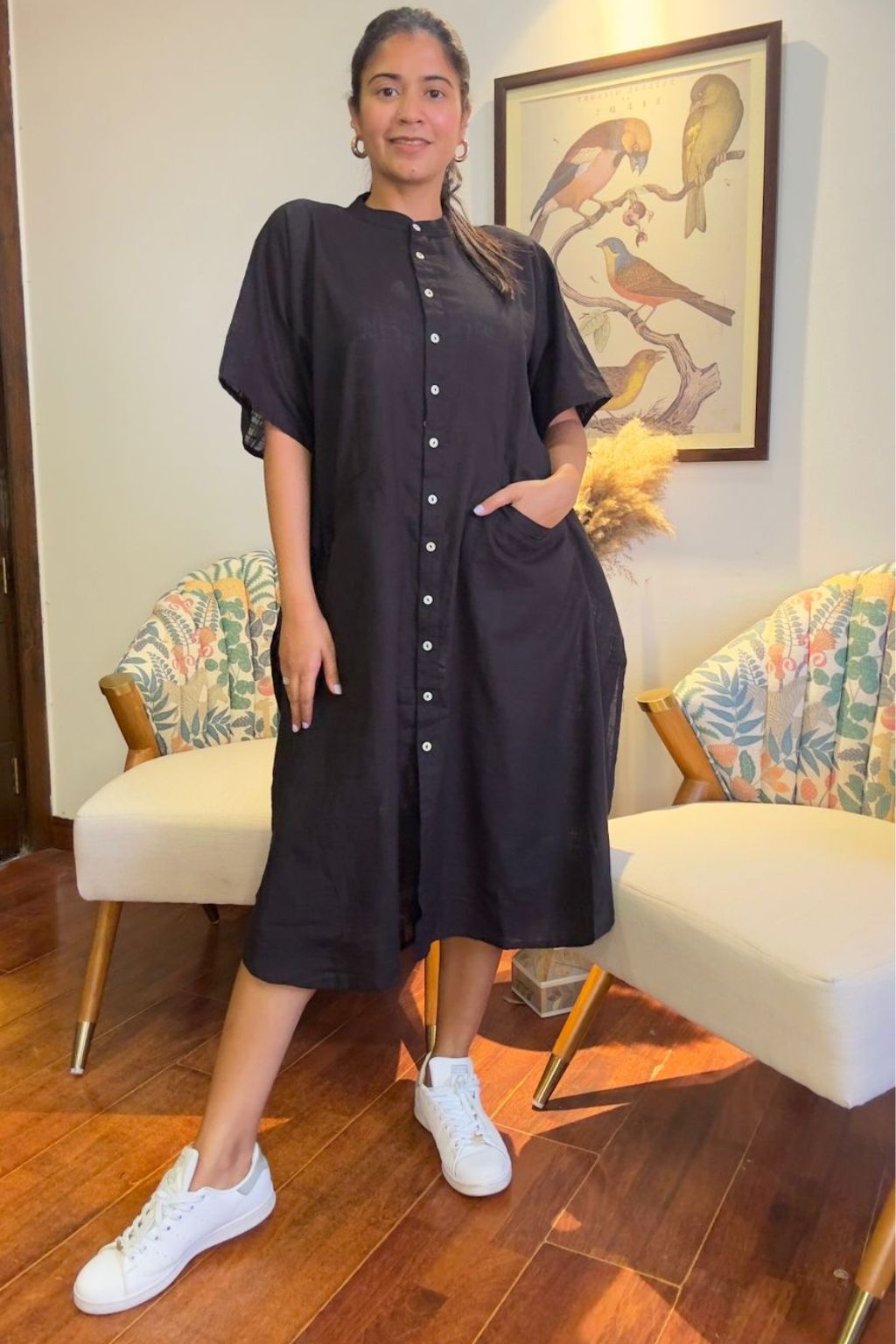
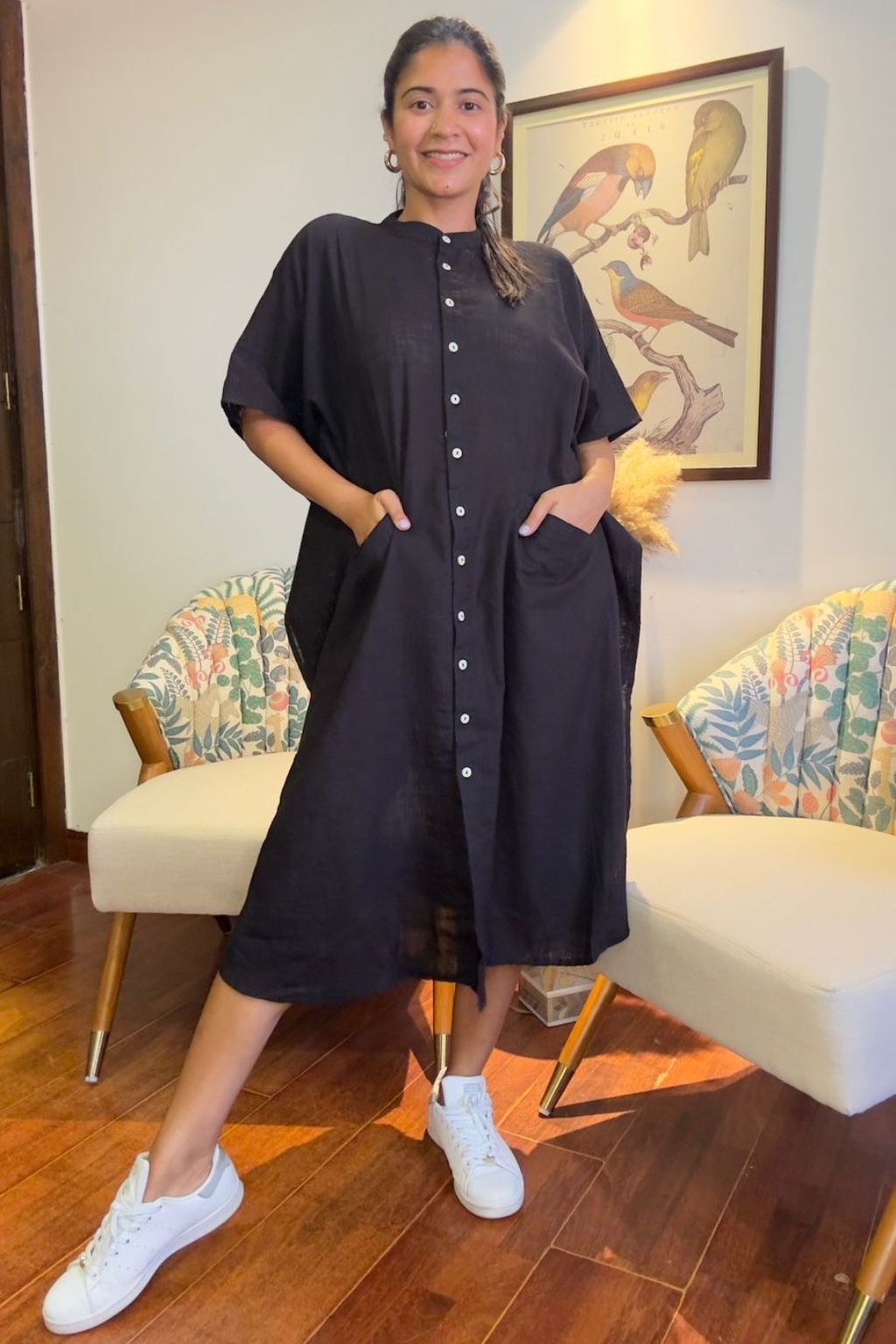
Black Beauty Oversized Kaftan Shirt Dress
Why fabric comes first at Safeera
Because true comfort doesn’t start with design — it starts with fabric.
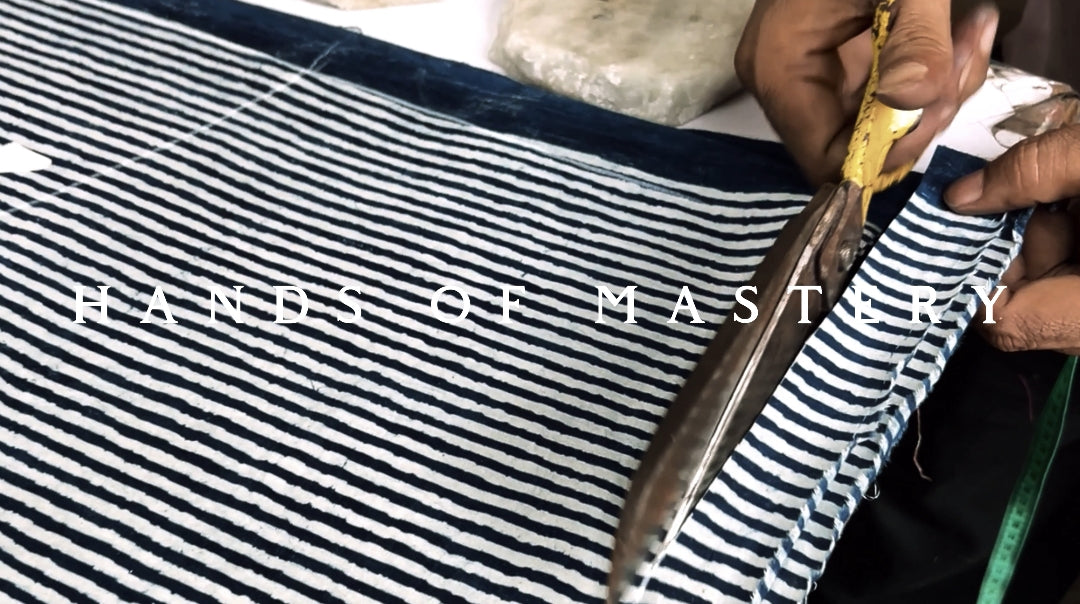
SAFEERA TALK

The Safeera Palette: Colours Grown from Earth
For centuries, the colours of Rajasthan’s textiles did not come from laboratories or synthetic pigments. They emerged slowly from the land itself — from fallen fruits, dried flowers, aged roots, and fermented leaves gathered across forests, orchards, and fields. Before industrial dyes existed, artisans developed remarkably sophisticated ways to extract lasting colour from plant matter that had matured, dried, or naturally decomposed. These processes relied on time, patience, mineral-rich water, and deep empirical knowledge of how fibres absorb pigment.
Learn more
I Thought I Knew Indian Textiles. Then I Discovered These Hidden Masterpieces.
I'll be honest—I thought I knew Indian textiles. From Banarasi sarees or Kanjeevaram to bandhani dupattas, India's textile heritage is like an iceberg; what we see is just the tip. Beneath lies an extraordinary world of fabrics most of us have never heard of.Mashru: The Fabric Born from Forbidden LoveMashru means "permitted" in Arabic. Islamic law prohibits men from wearing pure silk against their skin, so clever Gujarat weavers created Mashru—silk exterior, cotton interior. Men could enjoy silk's sheen without breaking religious codes.It's a satin weave where silk floats on the surface while cotton dominates underneath. A single saree takes 15-20 days of continuous work. Only a handful of Patan families still practice this craft.Himroo: Aurangabad's Democratic LuxuryHimroo from Maharashtra was deliberately created to look like expensive Kinkhab brocade at affordable prices. Using cotton or silk for warp and silk for weft, weavers create intricate Persian-inspired patterns in jewel tones. A shawl takes 20-45 days depending on complexity.Aurangabad once had thousands of Himroo looms. Today, fewer than 50 families keep this tradition alive.Toda Embroidery: Art from the NilgirisHigh in Tamil Nadu's Nilgiris, Toda women practice "pukhoor"—bold geometric embroidery using only red and black thread. They use no sketches; designs exist entirely in their minds, passed down for generations. A shawl takes 2-3 months working part-time.Each pattern carries meanings about their relationship with buffaloes, nature, and the divine.Sujani: Bihar's Storytelling QuiltsThese Bihar quilts are made from layers of old sarees, stitched with running stitches that create elaborate narratives—village life, mythology, festivals, social messages. Large quilts take 3-6 months.During Bihar's freedom movement, women stitched revolutionary messages into quilts while appearing to do harmless women's work.Tangaliya: Gujarat's Vanishing DotsUNESCO-listed as endangered, Tangaliya shawls feature raised dot patterns created by tying knots with supplementary weft threads during weaving. One shawl requires 20-25 days and thousands of hand-tied knots.The Dangasia community is down to just a few weavers who know this technique.Eri Silk: Assam's Peace Silk"Ahimsa silk" is extracted only after moths leave cocoons naturally—no creatures harmed. With cotton-like texture and exceptional thermal properties, the entire process from rearing silkworms to spinning takes 45-60 days.Bagh Print: Madhya Pradesh's Ancient BlocksThis 400-year-old craft uses hand-carved wooden blocks and natural dyes. Fabric undergoes multiple washes, treatment with castor oil, then printing with different blocks for each color. A saree takes 15-20 days from start to finish.There are many more just like the above that we don't know about, but we can find out.....can't we?
Learn more
What wearing too much polyester can mean for your skin?
Polyester is everywhere — in everyday clothes, activewear, loungewear, and even nightwear. It’s affordable, wrinkle-resistant, and easy to maintain. But when polyester sits directly on your skin for long hours, especially day after day, it can quietly affect how your skin feels and behaves. Here’s what research tells us......
Learn more
Why Can't Two Block-Printed Pieces Ever Be Exactly the Same? And what does that teach us about the clothes we wear every day?
Why Does "Made to Be Lived In" Matter?Because comfort clothing for women shouldn't be reserved for lounging.Safeera everyday wear is designed for real life: long workdays, travel days, slow mornings, and busy afternoons. Our cotton comfort wear and lounge wear for women transition effortlessly because they're rooted in one belief:
Learn more